AZ Factory AP CODE 11.59 15212NR Starwheel Technical Guide
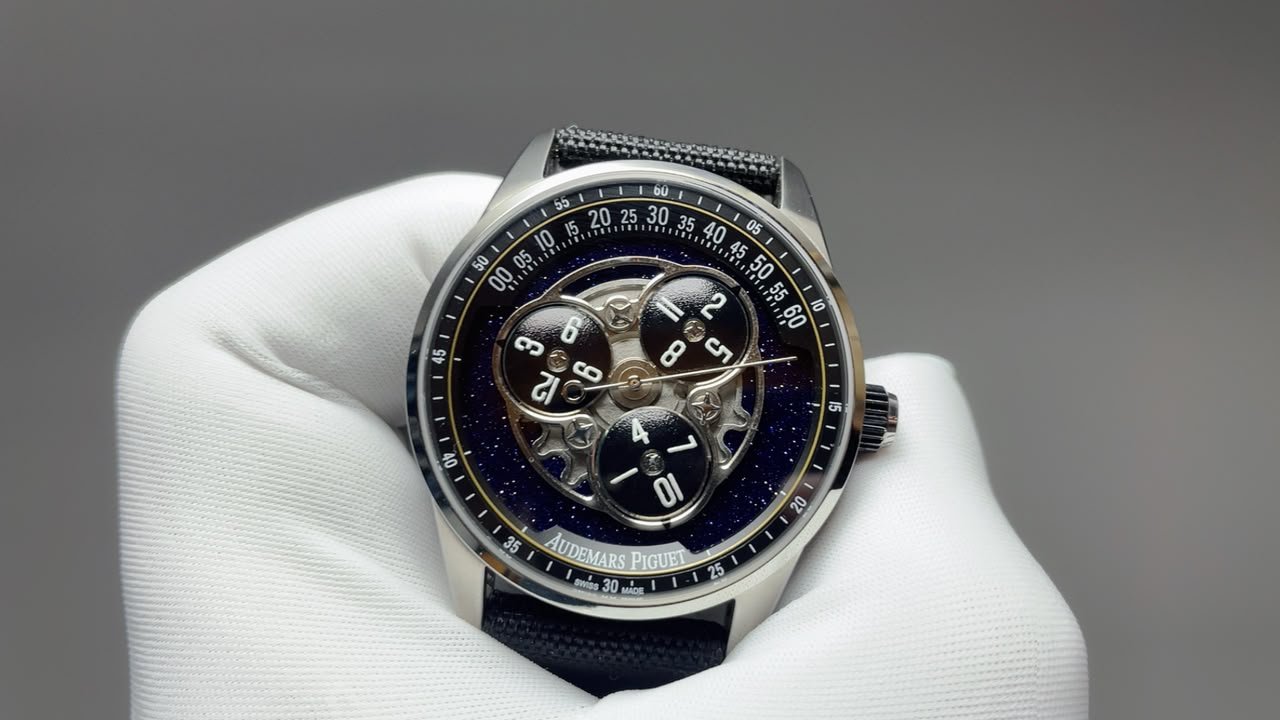
The AZ Factory AP CODE 11.59 15212NR is a 41mm openworked Starwheel configuration that uses a wandering-hours display instead of conventional hour and minute hands.
This is the most important technical characteristic of the watch.
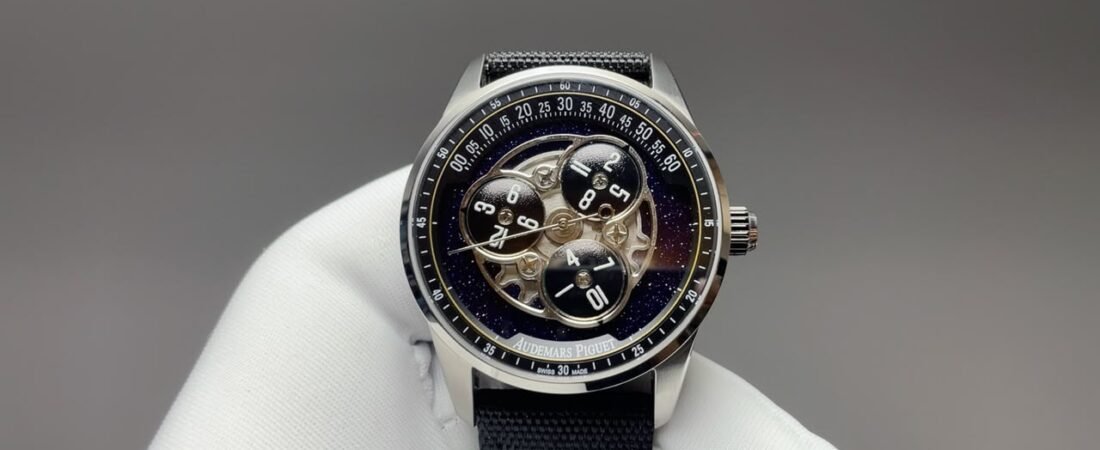
Three rotating hour discs move around the central mechanism, while the active hour travels along the minute scale to indicate the time.
The supplied AZ version is available with two visual configurations described as red and starry-sky dial styles, together with a composite fabric strap and a modified mechanical movement incorporating the Starwheel display module.
Because the time-display architecture is considerably different from a conventional three-hand watch, functional testing should focus not only on movement accuracy but also on the synchronization and transition of the three rotating hour discs.
41mm CODE 11.59 Case
The supplied configuration uses a 41mm case.
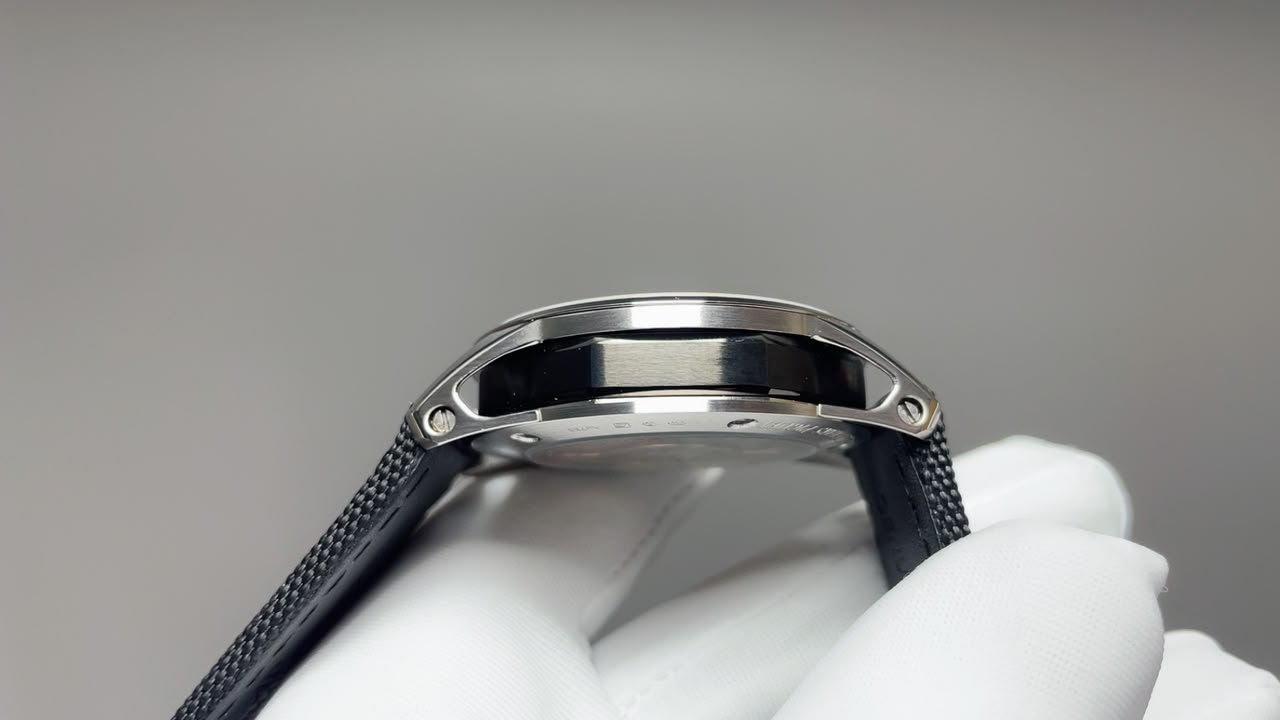
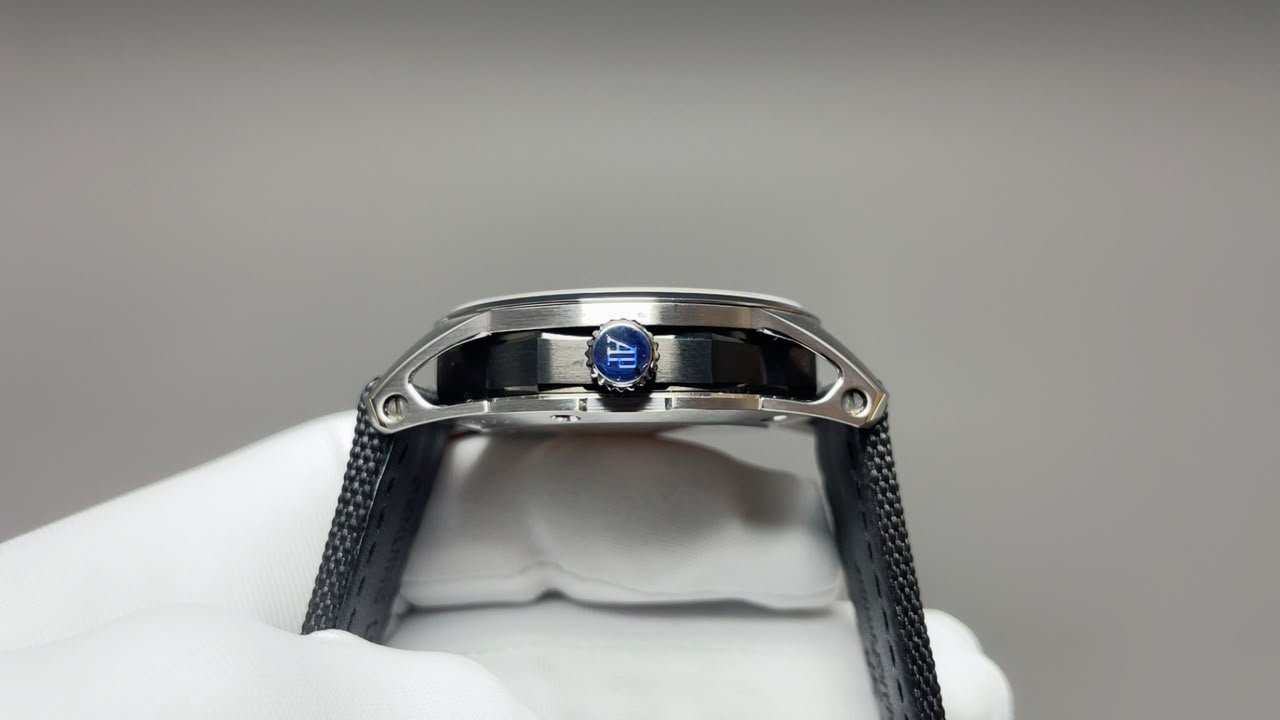
The CODE 11.59 case is more complex than it may initially appear from a straight front view.
Curved exterior surfaces, defined edges and the relationship between the bezel, middle case and lugs create a layered profile.
This makes side and three-quarter photographs particularly useful for documenting the case.
Useful areas include:
- Bezel
- Case sides
- Lug curvature
- Brushed surfaces
- Polished surfaces
- Crown
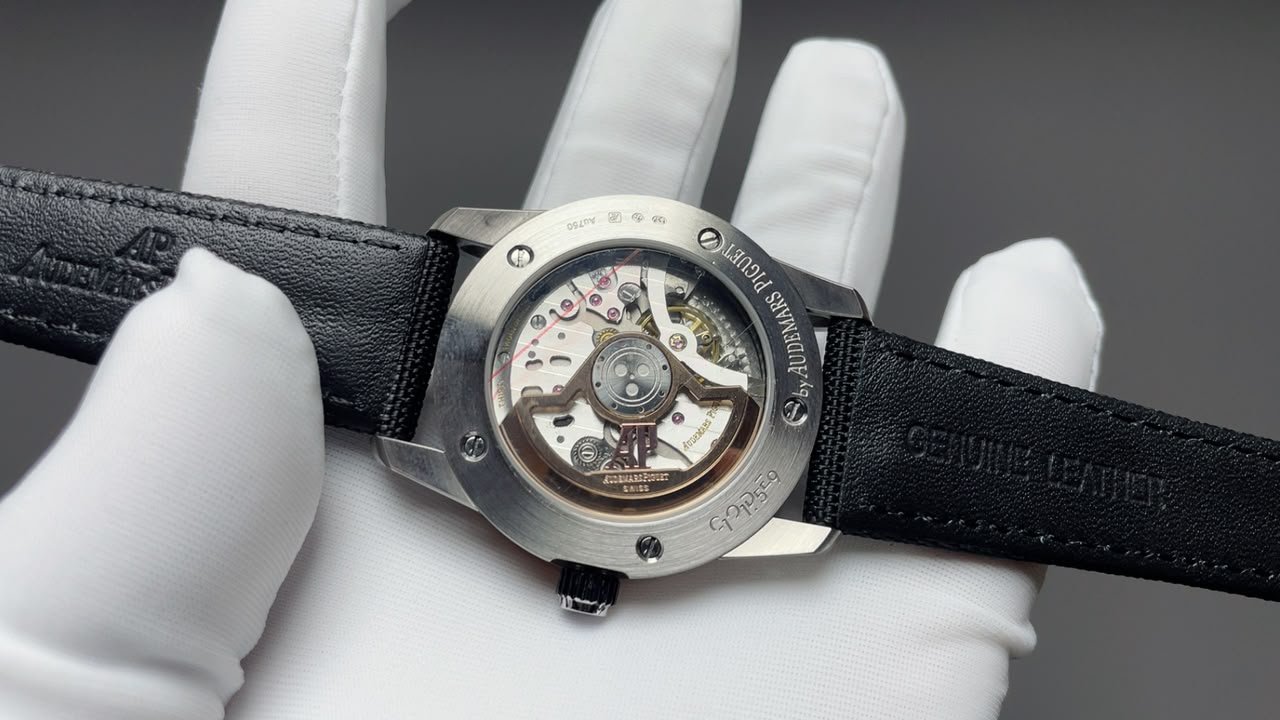
- Caseback
- Strap connection
Actual thickness and complete weight should be recorded separately when an individual watch is available for QC.
Starwheel Wandering Hours Display
The defining feature of the 15212NR is the Starwheel wandering-hours display.
Unlike a traditional watch where separate hour and minute hands rotate around a fixed dial, the Starwheel system uses rotating hour numerals that travel through the display.
Three rotating discs carry the hour numerals.
As the mechanism operates, the active hour moves across the minute scale, allowing both the hour and minutes to be read from the same moving display.
This creates a fundamentally different way of presenting time.
Why “Wandering Hours” Is More Accurate Than Simply “Jump Hour”
The term jump hour is often used broadly for this type of watch, but technically the Starwheel system is better described as a wandering-hours display.
A conventional jump-hour watch usually displays the hour through a fixed aperture and changes from one numeral to the next.
The Starwheel system is different.
The hour indication itself travels through the display while the three hour discs rotate and alternate their roles.
For database classification, the more useful terminology is therefore:
Complication: Wandering Hours / Starwheel Display
rather than simply:
Jump Hour
Three Rotating Hour Discs
The three hour discs are central to how the mechanism works.
Each disc carries multiple hour numerals and participates in the sequence as the watch progresses through the day.
At any given point, one of the discs becomes the active time indicator.
As the mechanism continues operating, the next disc rotates into position and takes over the time display.
This repeated sequence is what gives the Starwheel its characteristic mechanical appearance.
Reading the Minutes
The active hour numeral works together with the outer minute track.
As the hour indication travels across the scale, its position indicates the minutes within that hour.
This means the wearer does not read the watch in exactly the same way as a conventional analog dial.
Once the display logic is understood, however, the relationship becomes straightforward:
Active Hour Numeral + Position on Minute Scale = Current Time
This is one reason why correct synchronization between the hour discs and minute scale is particularly important.
Openworked Dial Architecture
The AZ 15212NR uses an openworked dial structure, allowing much of the display mechanism to remain visible.
Instead of hiding the mechanical components beneath a conventional dial, the openworked construction makes the rotating discs, supporting structures and visible gear components part of the watch’s appearance.
Useful details to examine include:
- Hour-disc printing
- Disc alignment
- Disc clearance
- Visible gears
- Bridges
- Display track
- Mechanical transitions
Macro photography is particularly useful for this model.
Red Dial Configuration
One supplied version uses a red-toned dial treatment.
Because textured and openworked surfaces react strongly to light, the red can appear noticeably different depending on exposure and viewing angle.
Neutral lighting is preferable when documenting the actual color.
Close-up photographs can also show how the colored surfaces interact with the darker mechanical components beneath them.
Starry-Sky Configuration
The second supplied configuration uses a starry-sky-style appearance.
This creates a visually different background for the same Starwheel display architecture.
From a database perspective, these should normally be treated as dial variants of the same AZ 15212NR technical platform, rather than two separate movement articles.
The underlying Starwheel mechanism can then be documented once while individual QC records identify the specific dial configuration.
Modified Movement with Starwheel Module
The supplied information states that AZ uses an existing mechanical movement platform combined with a modified Starwheel display module.
Because the exact underlying base caliber has not been identified in the supplied specifications, it should not be assigned a specific caliber number without further evidence.
The more accurate database classification is:
Base: Automatic Mechanical Movement
Modification: Starwheel / Wandering-Hours Module
This distinction is particularly important because the display module adds another mechanical layer between the underlying movement and the visible time indication.
Why the Starwheel Module Requires Additional Testing
A conventional three-hand watch primarily needs to transfer movement from the gear train to the hour and minute hands.
A wandering-hours system introduces additional components.
The movement must drive the rotating carrier and hour discs while keeping the active numeral correctly synchronized with the minute scale.
For this reason, a timegrapher result alone cannot fully evaluate the watch.
Both movement performance and display-module operation should be tested.
Starwheel Transition Testing
One of the most useful QC tests is to observe several consecutive hour transitions.
The sequence should be checked as:
Current Hour → Approach Transition → Disc Change → Next Hour Engagement → Continued Minute Travel
The next hour disc should move into its correct position and continue displaying the time without obvious interruption.
Testing only one static time position cannot establish whether the complete mechanism is operating correctly.
A video covering an hour transition is particularly useful for this model.
Disc Alignment
The rotating discs should also be checked at several positions.
Useful areas include:
- Numeral orientation
- Active-hour position
- Minute-track relationship
- Disc spacing
- Clearance between components
- Transition positioning
Because the mechanism contains several visible moving components, a small alignment difference can be easier to notice than on a conventional closed dial.
Movement Testing
The underlying mechanical movement can still be evaluated using conventional timegrapher measurements.
Useful data includes:
Daily Rate → Amplitude → Beat Error → Beat Rate
These measurements describe the running condition of the base movement at the time of testing.
They should then be combined with a separate Starwheel functional test.
For this particular model, the ideal QC record therefore contains both:
Timegrapher Data + Starwheel Operation Video
Composite Fabric Strap
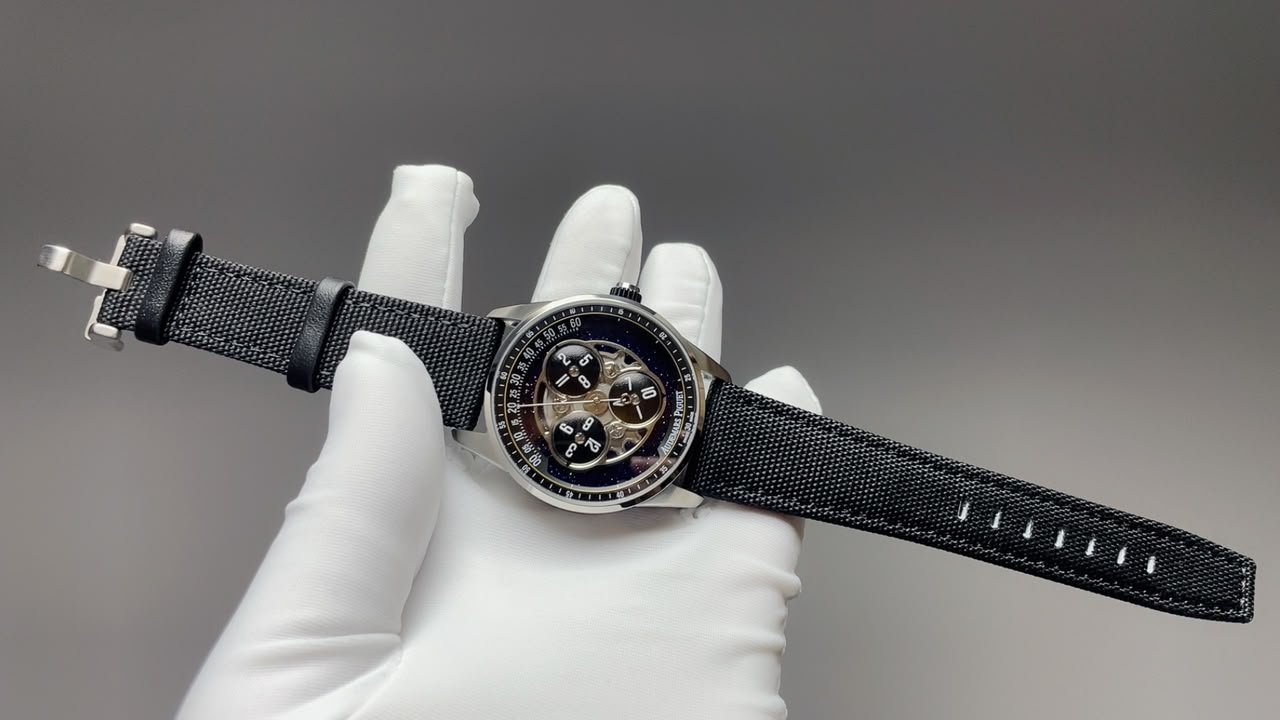
The supplied configuration uses a composite fabric strap with a soft leather inner layer.
The fabric exterior creates a different appearance from conventional alligator-style or rubber straps, while the softer inner surface is intended to remain in direct contact with the wrist.
Useful inspection areas include stitching, edge finishing, flexibility and the connection between the outer fabric and inner lining.
The strap should also sit naturally against the curved lugs without excessive gaps.
Folding Clasp
The strap is paired with a folding clasp.
Opening and closing should feel consistent, while the locking mechanism should engage securely.
Because the CODE 11.59 case has curved lugs and a relatively distinctive case profile, correct strap sizing also helps the watch sit naturally on the wrist.
Super Clone Watch and Complication Testing
The term super clone watch does not establish whether a complicated mechanical display works correctly.
This is particularly relevant for the 15212NR.
The useful questions are much more specific: do all three hour discs rotate correctly, are the numerals synchronized with the minute scale, does the transition occur correctly, and how is the underlying movement performing?
Those characteristics can be documented through actual testing rather than category terminology.
For individual measurements and a functional display test, see our AZ Factory AP CODE 11.59 15212NR Starwheel QC test.
Details Worth Checking
For an individual AZ 15212NR, actual case diameter, thickness and complete weight should be recorded first.
The three Starwheel discs can then be inspected for printing, alignment, spacing and clearance.
A functional video should document the mechanism through at least one hour transition. Testing several consecutive transitions provides even stronger evidence that the module is operating consistently.
The underlying movement should then be measured for daily rate, amplitude, beat error and beat rate.
Finally, the openworked components, case finishing, strap, crown and clasp can be inspected separately.
Technical Specifications
Specification Details
Factory AZ Factory
Collection AP CODE 11.59
Reference 15212NR
Case Diameter 41mm
Display Starwheel / Wandering Hours
Hour Display Three Rotating Numeral Discs
Minute Display Peripheral Track
Dial Architecture Openworked
Dial Variants Red / Starry-Sky Style
Movement Automatic Mechanical
Movement Modification Starwheel Display Module
Strap Composite Fabric / Leather-Lined
Clasp Folding Clasp
Thickness Recommended to Measure Individually
Weight Recommended to Measure Individually
FAQ
- What size is the AZ Factory AP CODE 11.59 15212NR?
The supplied configuration uses a 41mm case.
- Is the 15212NR a normal jump-hour watch?
It is more accurately described as a Starwheel wandering-hours watch. Three rotating hour discs work with a minute track to display the time rather than using a conventional fixed jump-hour aperture.
- How do you read the Starwheel display?
The active rotating numeral indicates the hour, while its position along the minute scale indicates the minutes.
- What movement does the AZ 15212NR use?
The supplied information identifies an automatic mechanical base movement modified with a Starwheel wandering-hours module. The exact base caliber has not been established in the supplied specifications.
- What is the most important functional test for this model?
In addition to normal timegrapher testing, the rotating hour discs should be observed through one or preferably several hour transitions to confirm correct synchronization and continued operation.
- What should be checked during QC?
Useful checks include daily rate, amplitude, beat error, beat rate, hour-disc rotation, numeral alignment, Starwheel transition timing, minute-track synchronization, visible gear operation, actual dimensions, weight, case finishing, strap fit and clasp operation.