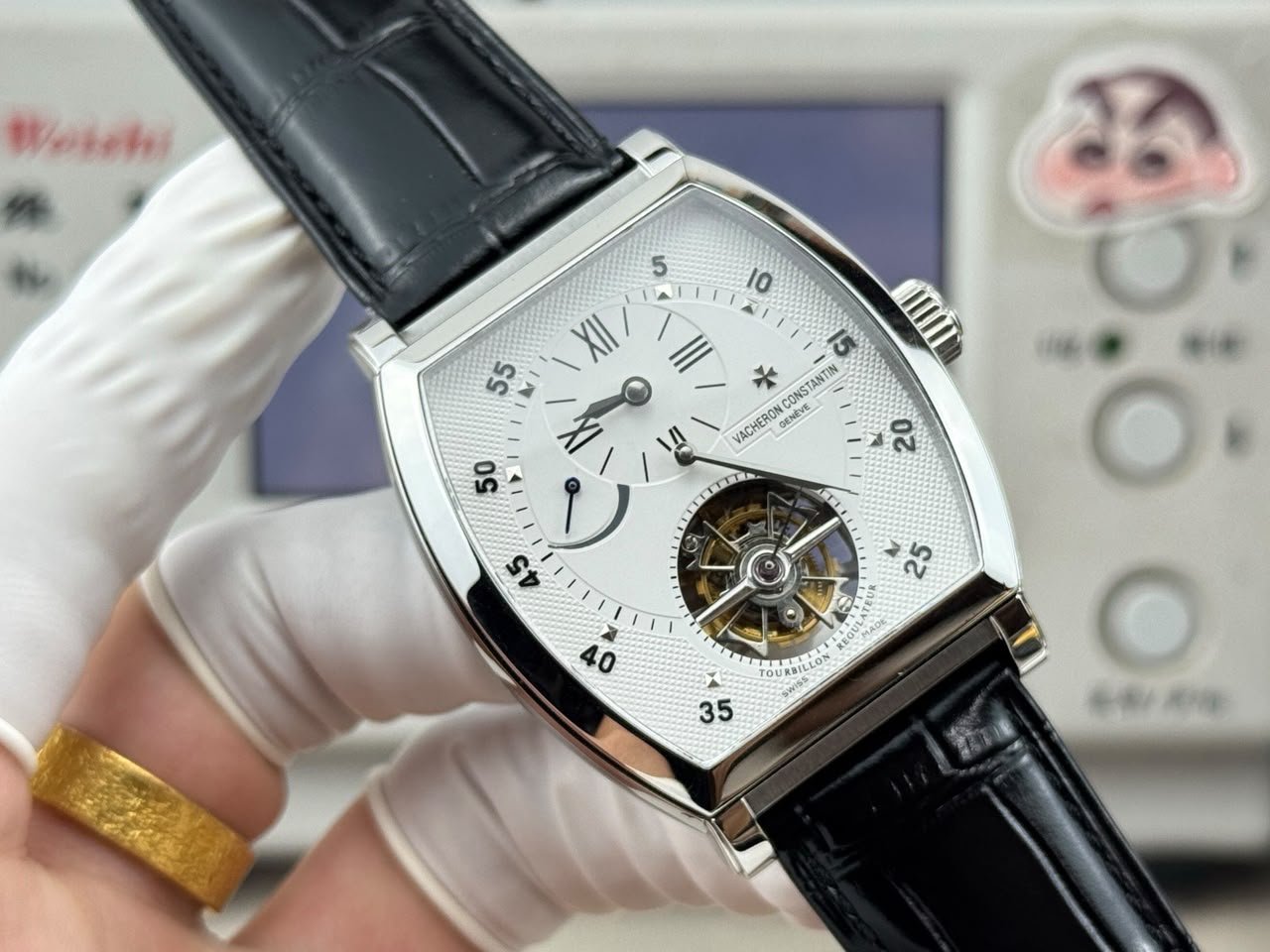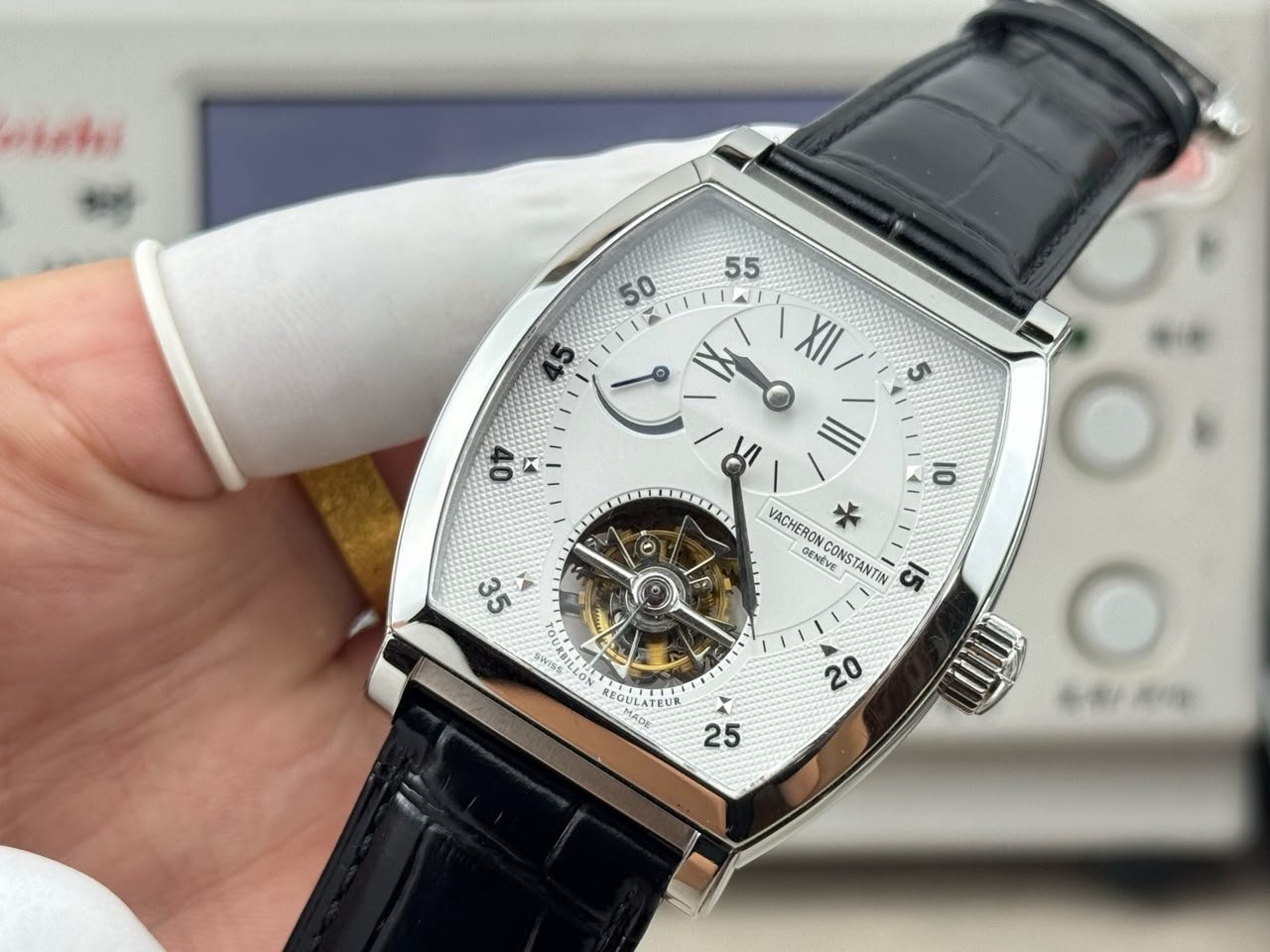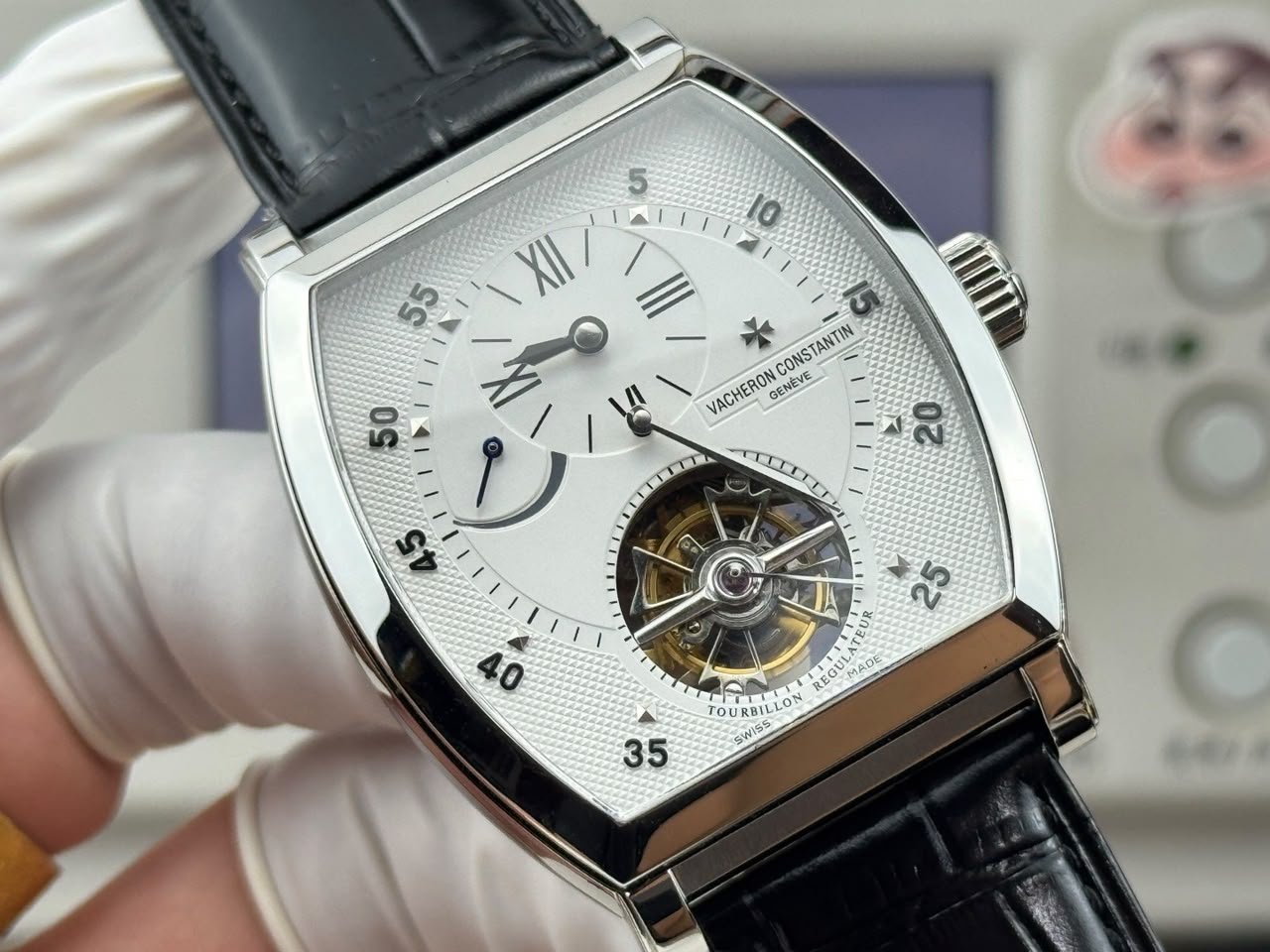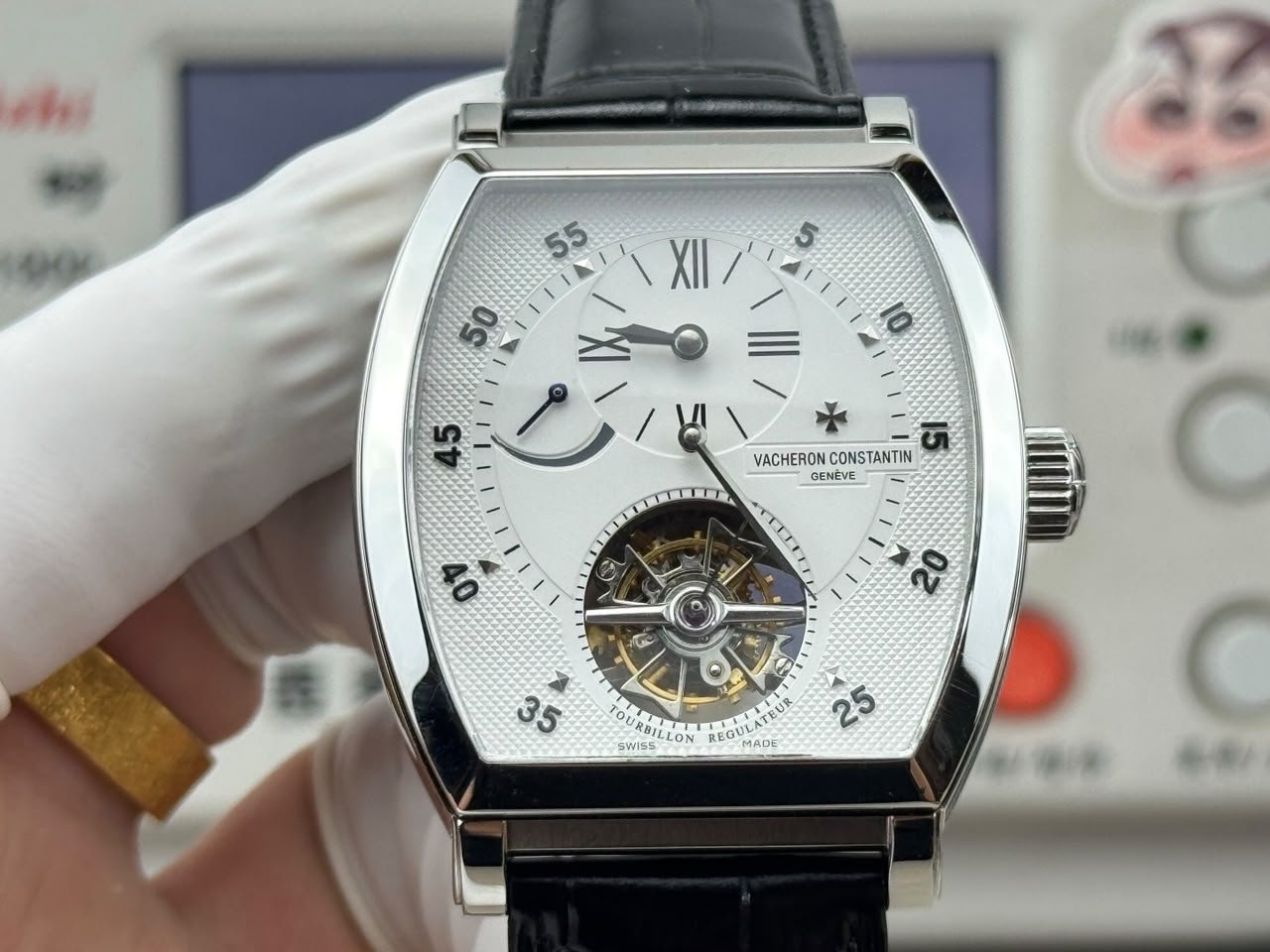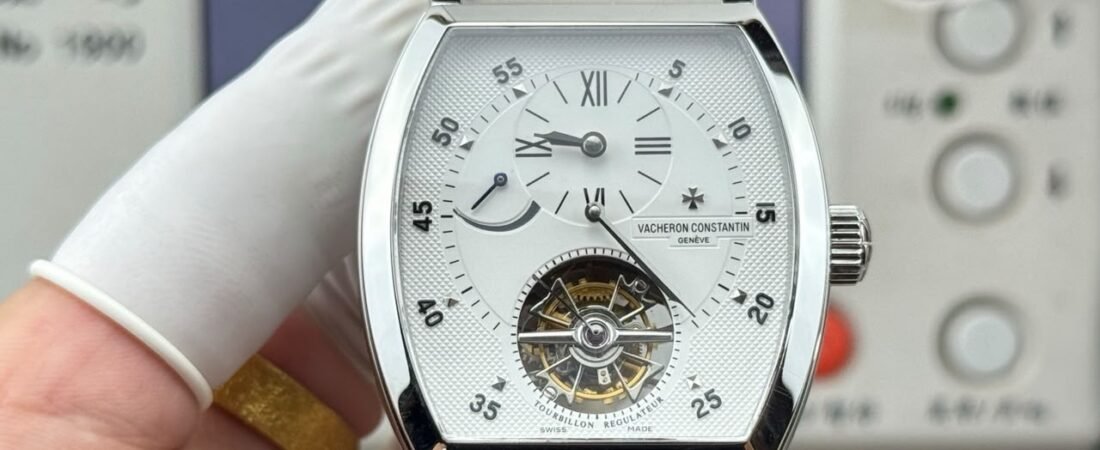
PPM Factory Vacheron Constantin Malte 30080 Tourbillon Technical Guide
The PPM Factory Vacheron Constantin Malte 30080 is a manually wound tourbillon watch built around an elongated tonneau-shaped case and an unusual vertically arranged time display.
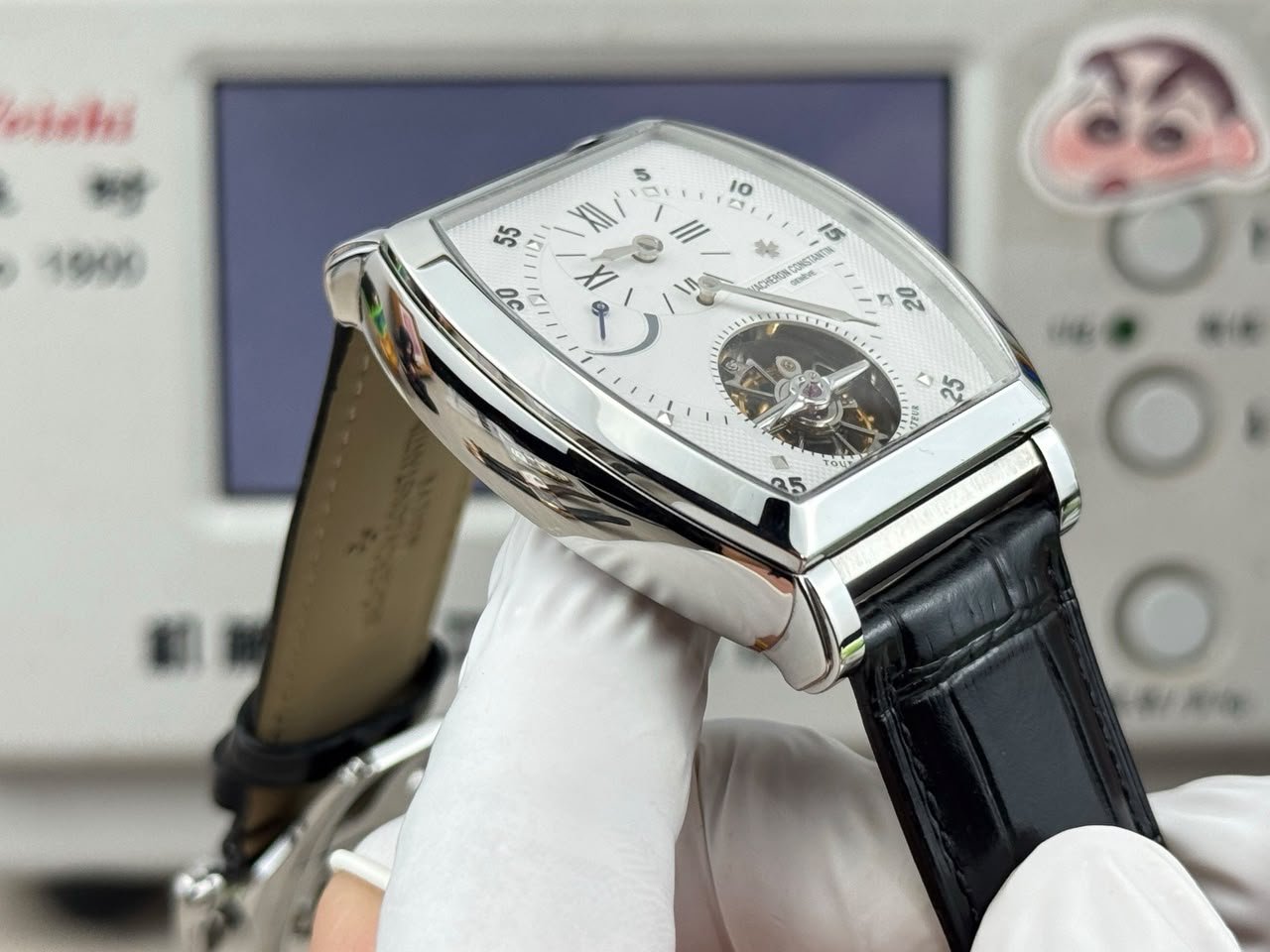
Instead of placing the hour, minute and seconds indications concentrically around the center of the dial, the 30080 separates them vertically along the central axis of the watch.
The tourbillon occupies the lower section of this arrangement and completes approximately one rotation every 60 seconds.
According to the supplied specifications, the PPM version measures approximately 39.9mm × 49.9mm, with a stated thickness of 13.14mm and approximately 40 hours of power reserve.
These characteristics make the 30080 particularly useful for documenting the relationship between case geometry, display architecture and tourbillon movement construction.
Tonneau-Shaped Case
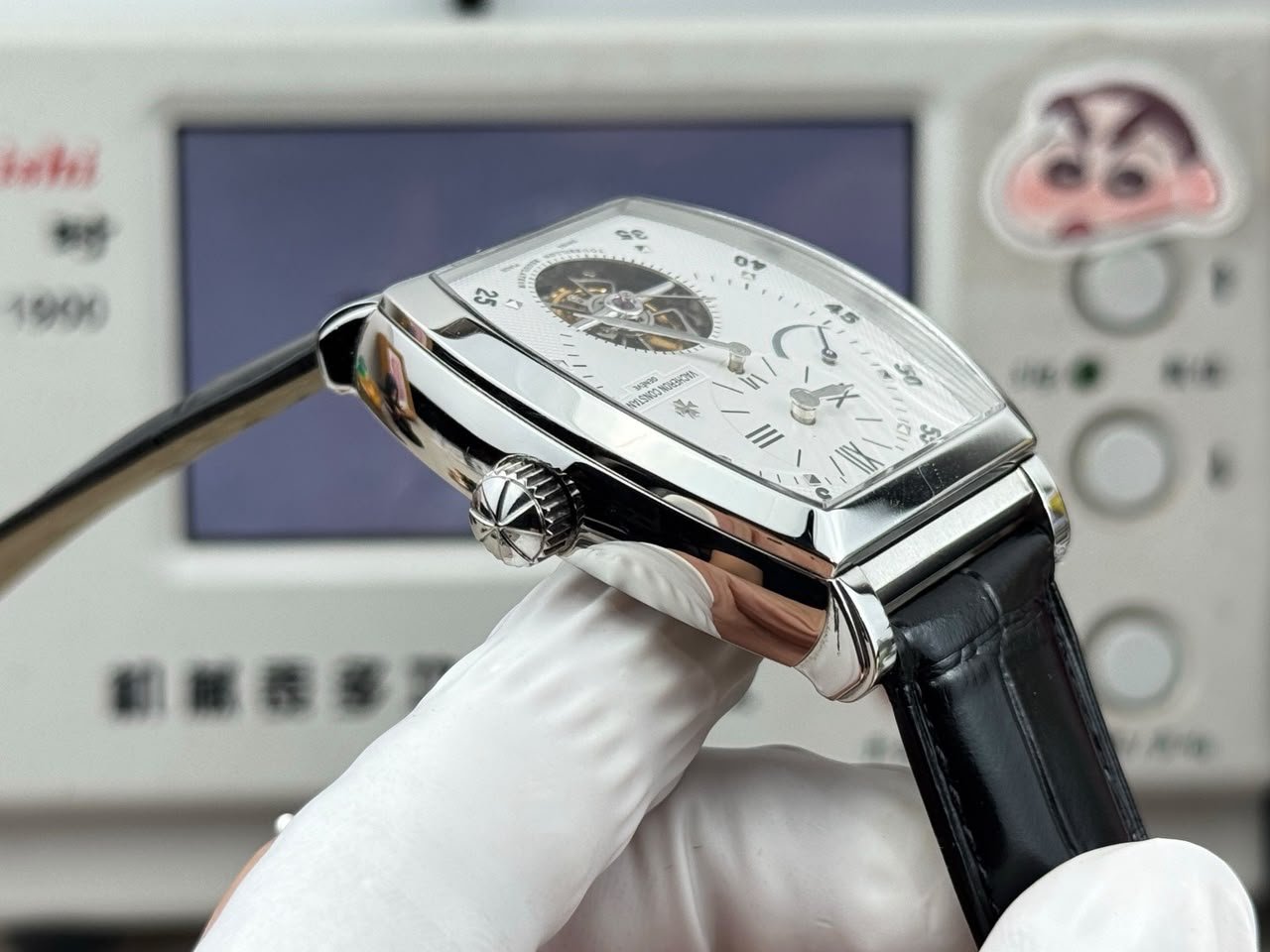
The 30080 uses a distinctive tonneau-shaped case rather than a conventional round case.
For this type of watch, a single diameter measurement is not sufficient to describe its physical dimensions.
The supplied measurements are:
39.9mm × 49.9mm
The elongated 49.9mm dimension is particularly relevant to wrist fit because the case occupies considerably more vertical space than a conventional 39.9mm round watch.
Actual measurements from an individual example should therefore record:
- Case width
- Case length
- Case thickness
- Complete weight
This provides a much more useful dimensional record.
13.14mm Stated Thickness
The supplied specification lists the thickness at approximately 13.14mm.
Thickness is particularly interesting on this model because the case has to accommodate both the elongated movement architecture and the tourbillon assembly.
For an individual QC example, this figure should be confirmed using a digital caliper.
A side-profile photograph can then document how the crystal, middle case and caseback contribute to the total thickness.
Vertical Three-Indication Layout
One of the most distinctive technical characteristics of the 30080 is its vertical time-display architecture.
The hour, minute and seconds indications are arranged along the central axis rather than using the conventional arrangement of several hands mounted on one central pinion.
This creates the characteristic:
Hour → Minute → Seconds / Tourbillon
vertical layout.
The unusual arrangement is not merely decorative. It reflects the underlying movement and display architecture required to separate the indications across the elongated dial.
Why the Movement Layout Matters
A conventional mechanical watch generally places the primary hour and minute hands around a shared central axis.
The 30080 uses a different approach.
Separating the indications vertically requires the movement to transmit power to different display positions across the length of the watch.
For a technical database, this makes the movement layout more informative than simply describing the watch as a “tourbillon.”
It is the combination of:
Tonneau Case + Vertical Display + Tourbillon
that defines this particular configuration.
60-Second Tourbillon
The lower section of the dial contains the tourbillon assembly.
The supplied configuration describes the cage as completing one full rotation approximately every 60 seconds.
A tourbillon places the escapement and regulating components within a rotating cage.
Historically, this architecture was developed with the aim of averaging positional effects on the regulating organ in mechanical watches.
However, the presence of a tourbillon should not automatically be interpreted as proof that a modern wristwatch will keep better time than a conventional mechanical movement.
Actual performance still needs to be measured.
Tourbillon as the Seconds Display
On this configuration, the rotating tourbillon is visually connected with the seconds indication.
Because the cage completes approximately one revolution per minute, its movement provides a direct visual reference for the passing seconds.
For QC documentation, a 60-second movement video is therefore especially useful.
The video can show whether the cage completes its rotation smoothly and consistently through a full cycle.
Manual-Winding Movement
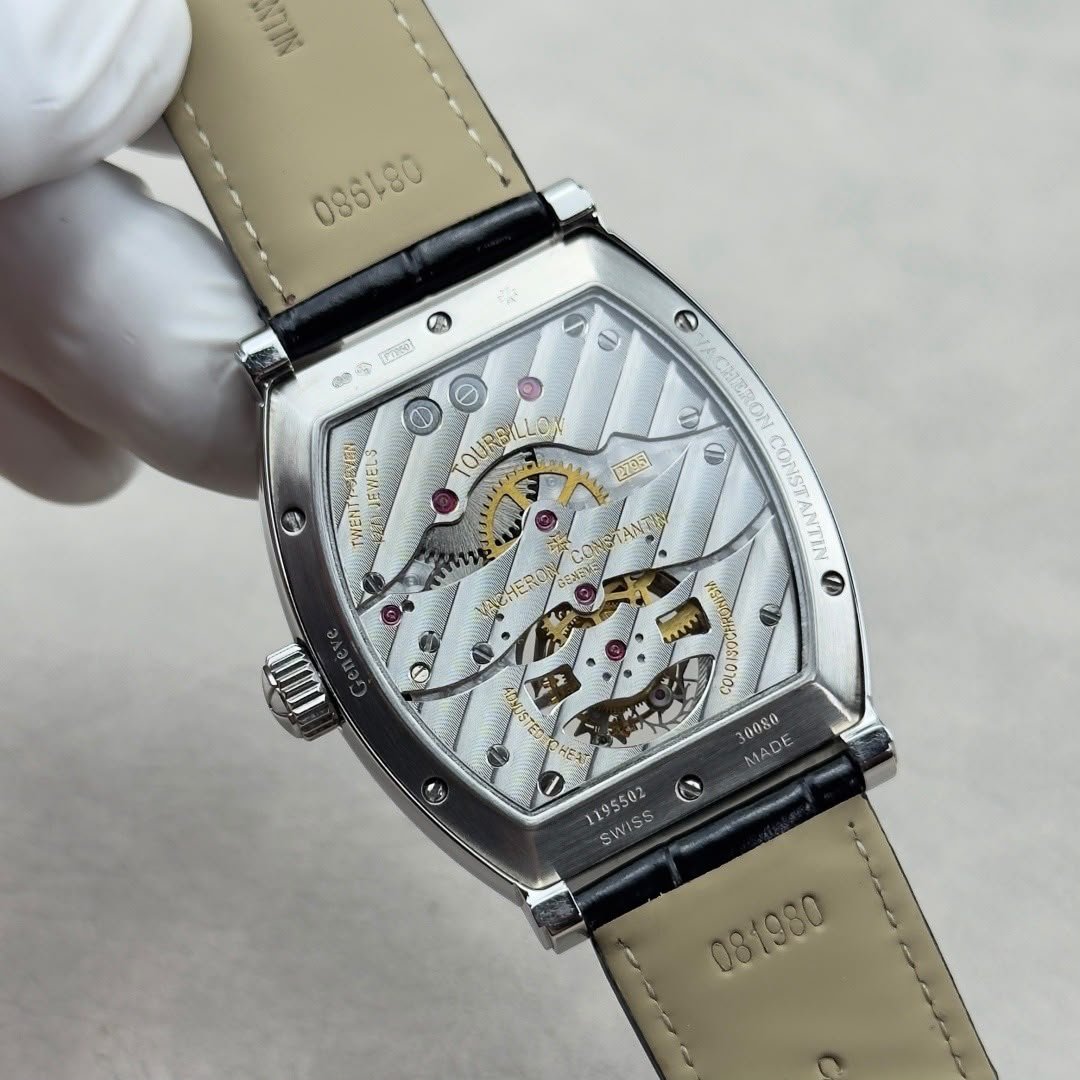
The PPM 30080 uses a manual-winding mechanical movement.
There is no automatic rotor performing the winding function during wrist movement, so energy must be supplied through the crown.
This also means the caseback can present the movement without an automatic rotor covering a large portion of the bridge architecture.
For an individual watch, manual winding should be tested for smooth and consistent engagement.
Excessive force should not be used when the mainspring approaches its fully wound state.
Approximately 40-Hour Power Reserve
The supplied specification states a power reserve of approximately 40 hours.
This is another characteristic that can be tested objectively.
After fully winding the watch, the starting time can be recorded and the watch allowed to run without further winding until it stops.
The resulting duration provides an actual power-reserve figure for the individual movement.
This is more useful for a QC database than simply repeating the stated specification.
Dial Finishing
The supplied information references several decorative surface treatments across the dial, including spiral-style, guilloché-style, opaline and matte textures.
Because different textures interact differently with light, macro photography is particularly useful.
Instead of attempting to judge all finishing from one image, several angles can document the transition between the individual sections.
Useful areas include the central display axis, surrounding textured surfaces and the area immediately around the tourbillon opening.
Sapphire Crystal
The supplied configuration uses a sapphire crystal.
Because the dial contains numerous textures and an exposed tourbillon, reflections can significantly affect photography.
For technical documentation, diffuse lighting is preferable when photographing the dial straight on.
Angled lighting can then be used separately to reveal the surface textures.
Exhibition Caseback
The transparent caseback allows the manually wound movement to remain visible from the rear.
Without a large automatic rotor covering the bridges, the movement layout can be documented more clearly.
Useful areas for macro photography include:
- Bridge layout
- Engraving
- Jewels
- Screws
- Gear components
- Surface decoration
- Tourbillon architecture
Movement decoration and actual mechanical performance should still be treated as separate subjects.
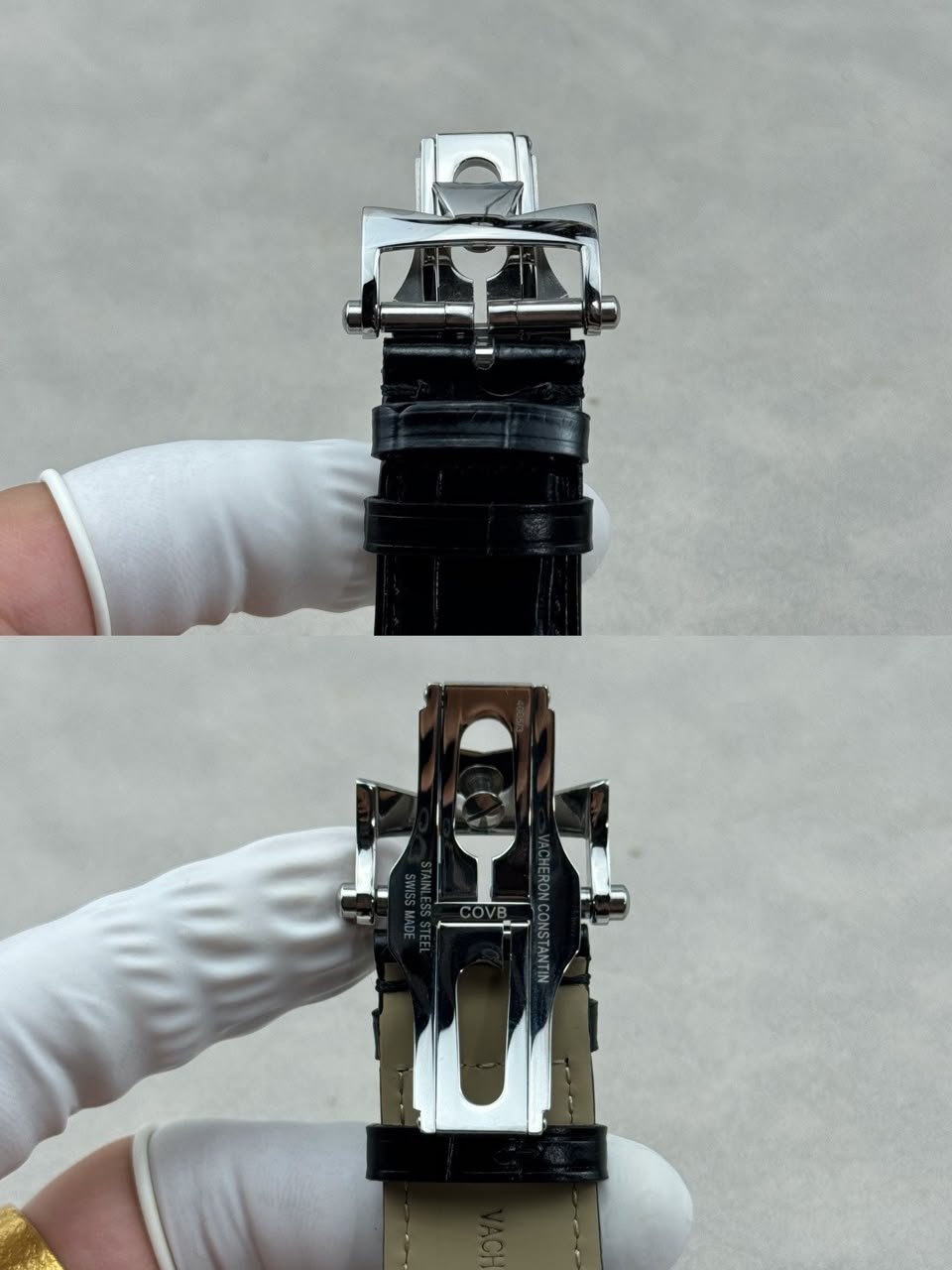
Folding Clasp
The supplied configuration uses a folding clasp with Maltese-cross-style design elements.
The clasp should be evaluated both visually and mechanically.
Opening and closing should be consistent, and the locking mechanism should engage securely.
The strap-to-case and strap-to-clasp connections should also be checked because the elongated tonneau case places particular importance on correct strap fit.
3 ATM Water-Resistance Claim
The supplied specifications state 3 ATM / 30 meters.
This figure should be treated as a stated specification rather than confirmation that every individual watch has passed a pressure test.
For a replica mechanical watch—especially a tourbillon—it is better not to interpret “30 meters” as permission to submerge the watch.
If water resistance matters, the individual watch should undergo an appropriate pressure test before exposure to water.
Tourbillon Movement Testing
A tourbillon requires slightly different documentation from a conventional three-hand movement.
Useful checks include:
Daily Rate → Amplitude → Beat Error → Beat Rate → Tourbillon Cage Rotation → Power Reserve
However, some timegraphers may produce readings that are less straightforward on certain tourbillon architectures, so numerical data should be interpreted together with direct observation of the movement.
A complete 60-second cage video adds useful evidence.
Super Clone Watch and Actual Tourbillon QC
The term super clone watch is commonly used in the replica-watch market, but it does not establish the mechanical quality or performance of a tourbillon.
For the PPM 30080, much more useful information comes from documenting the actual movement architecture, 60-second tourbillon operation, case dimensions, thickness, power reserve and timekeeping measurements.
For actual measurements from an individual watch, see our PPM Factory Vacheron Constantin Malte 30080 Tourbillon QC test.
Details Worth Checking
For an individual PPM 30080, first record the actual width, length, thickness and complete weight.
The vertical hour, minute and seconds layout can then be photographed straight on to document alignment.
For the tourbillon, record at least one uninterrupted 60-second video to observe a complete cage rotation.
Manual winding and time setting should be tested, followed by available timegrapher measurements and an independent power-reserve test.
Finally, the dial textures, sapphire crystal, caseback, strap and folding clasp can be documented with close-up photographs.
Technical Specifications
Specification Details
Factory PPM Factory
Collection Vacheron Constantin Malte
Reference 30080 Series
Case Shape Tonneau
Case Size Approx. 39.9 × 49.9mm
Stated Thickness Approx. 13.14mm
Display Layout Vertical Hour / Minute / Seconds
Movement Manual-Winding Mechanical
Complication Tourbillon
Tourbillon Rotation Approx. 60 Seconds
Stated Power Reserve Approx. 40 Hours
Crystal Sapphire
Caseback Exhibition / Transparent
Clasp Folding Clasp
Stated Water Resistance 3 ATM
Actual Weight Recommended to Measure Individually
FAQ
- What size is the PPM Factory Malte 30080?
The supplied specification is approximately 39.9 × 49.9mm, with a stated thickness of approximately 13.14mm.
- Is the PPM 30080 a real functioning tourbillon?
The supplied configuration uses a functional rotating tourbillon mechanism, with the cage specified to complete approximately one revolution every 60 seconds. An individual watch should be confirmed through direct functional testing.
- Why are the hour, minute and seconds displays arranged vertically?
The 30080 uses an unusual movement and display architecture that separates the indications along the longitudinal centerline of the tonneau-shaped case instead of mounting the primary indications concentrically.
- Does a tourbillon automatically make the watch more accurate?
No. Tourbillons were historically designed to average positional effects on the regulating organ, but the presence of a tourbillon alone does not guarantee superior wristwatch accuracy. Actual performance should be measured.
- How long is the power reserve?
The supplied specification states approximately 40 hours from a full wind. Actual duration can be recorded through an individual power-reserve test.
- What should be checked during QC?
Useful checks include actual dimensions, thickness, weight, manual winding, time setting, tourbillon cage rotation, 60-second cycle, available timegrapher data, power reserve, vertical display alignment, dial finishing, caseback and clasp operation.