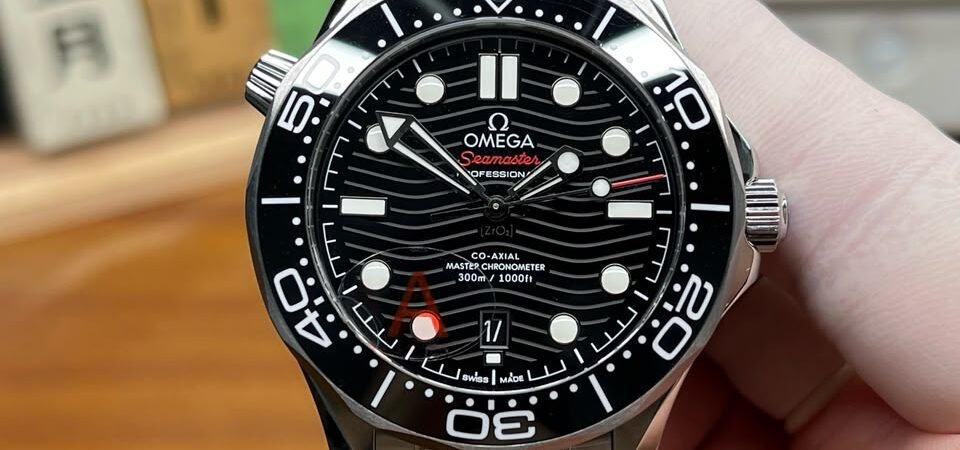
VS Factory Omega Seamaster 300M V4 & 8800 Movement Guide
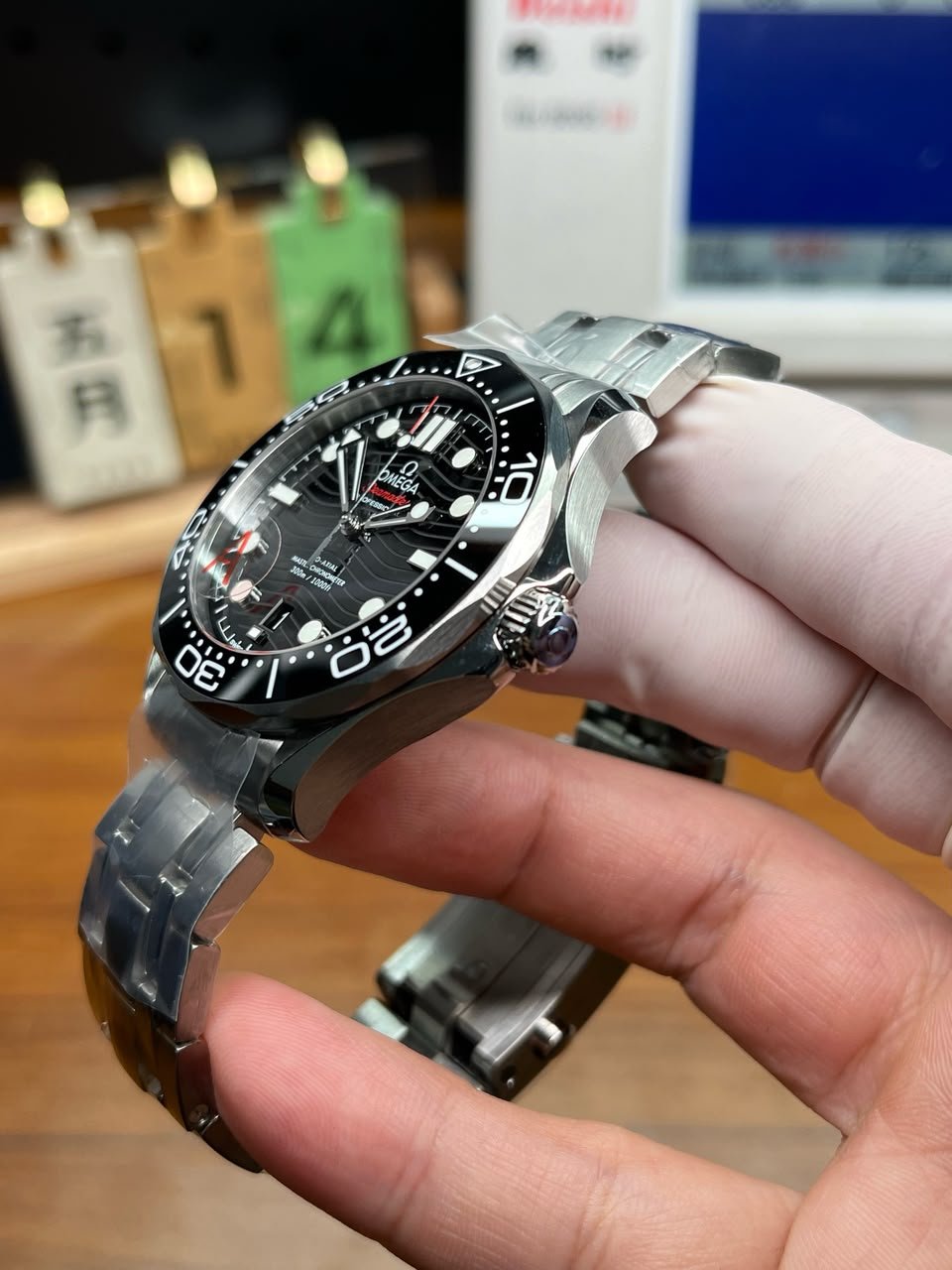
The VS Factory Omega Seamaster Diver 300M V4 introduces an updated integrated 8800-style automatic movement. The main technical change is the movement architecture itself, with the calendar system, gear train, jewels and visible components incorporated into the operating movement rather than relying primarily on a 2824 base movement with an additional decorative bridge structure.
Although terms such as “super clone watch” are commonly used for this category, the more useful way to identify this V4 version is by examining its movement architecture, dimensions, calendar operation and power reserve.
This guide explains the main characteristics of the VS 8800 movement and the structural differences compared with earlier 2824-based configurations.
VS 8800 Integrated Movement
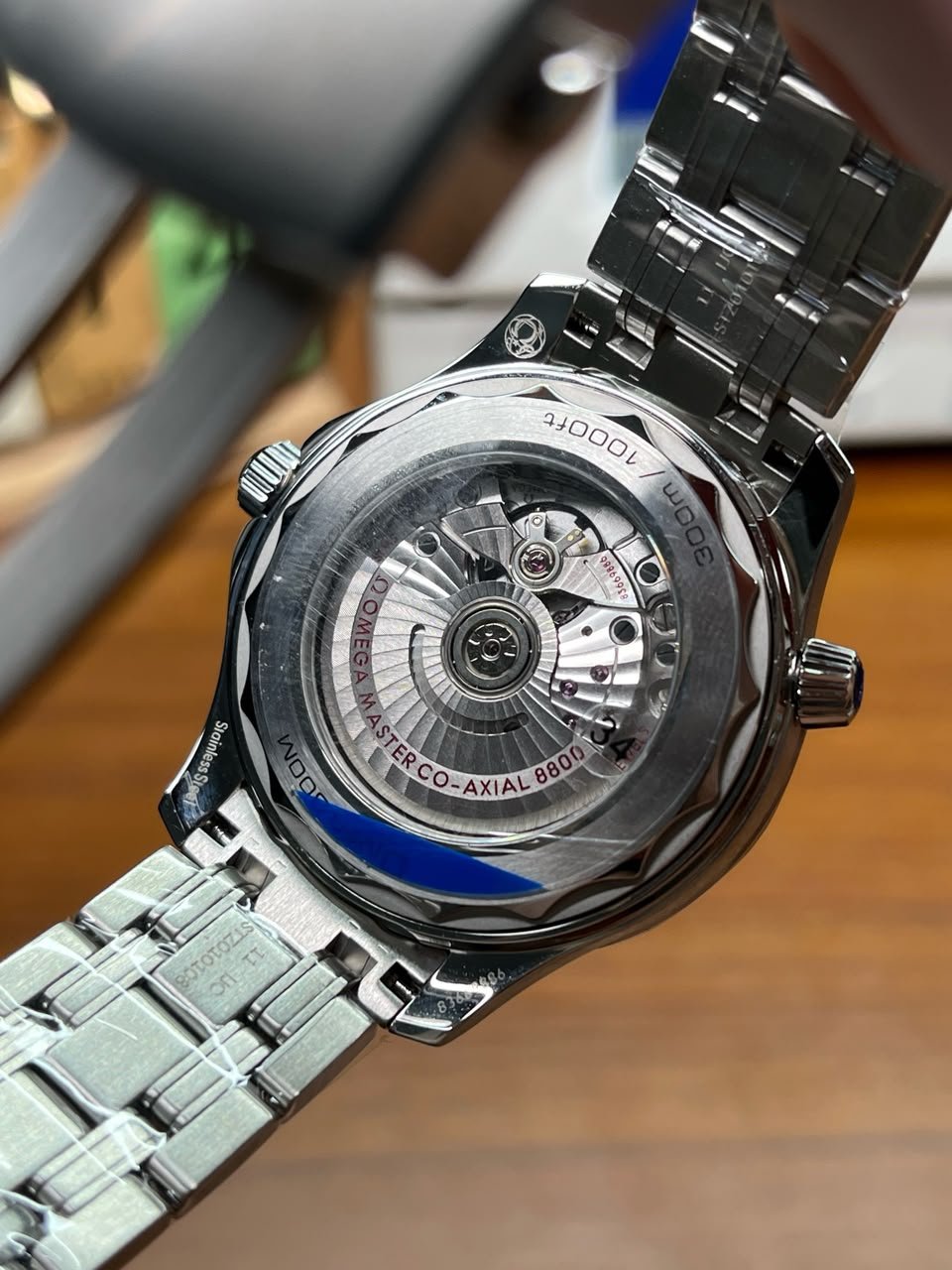
The V4 version uses a VS 8800-style integrated automatic mechanical movement.
An integrated movement means that the visible gear train, jewels, screws and related components form part of the functional movement architecture rather than being used only to reproduce an external appearance.
This distinction is particularly relevant on the Seamaster Diver 300M because the movement can be viewed through the transparent case back.
Calendar Adjustment
One characteristic of the VS 8800 movement is its date-setting operation.
According to the supplied specifications, the date is adjusted by operating the crown in the counterclockwise direction while in the appropriate setting position.
The calendar mechanism forms part of the integrated movement structure.
Crown operation and date advancement should still be checked individually during QC to ensure smooth engagement and correct date positioning.
54-Hour Power Reserve
The VS 8800 movement is specified with approximately 54 hours of power reserve.
For comparison, the supplied information lists a typical 2824-based configuration at approximately 41 hours.
This represents an increase of approximately 13 hours in the stated power reserve.
Actual running time can vary according to mainspring condition, winding level, movement regulation and individual assembly, so a full power-reserve test provides the most useful confirmation.
Functional Movement Components
One of the main structural differences of the integrated 8800 design is that visible movement components are incorporated into the operating mechanism.
These include functional elements such as:
- Gear train components
- Jewels
- Screws
- Calendar mechanism
- Winding components
- Movement bridges
This differs from some 2824-based conversion designs where additional plates or decorative components may be used to create an 8800-style visual appearance.
The distinction is therefore primarily about movement architecture, rather than exterior appearance alone.
VS 8800 Movement Diameter
According to the supplied technical specifications, the VS 8800 movement measures approximately:
Diameter: 26.5mm
The movement diameter is important because it affects the positioning of the bridges, balance assembly and other components visible through the transparent case back.
For comparison, the supplied specifications list the 2824-based movement at approximately 25.9mm in diameter.
This creates a difference of approximately 0.6mm between the two configurations.
VS 8800 Movement Thickness
The integrated VS 8800 movement measures approximately:
Thickness: 4.65mm
The supplied specifications list the 2824-based configuration at approximately:
Thickness: 6.4mm
This represents a difference of approximately 1.75mm at the movement level.
Movement thickness can influence the internal case construction and the positioning of components within the watch.
It should not, however, be confused directly with total watch thickness, which also includes the case, crystals, case back and internal mounting structure.
Bridge and Balance-Area Construction
The V4 movement also revises the area surrounding the balance assembly and main bridge.
According to the supplied information, attention has been given to:
- Balance-area geometry
- Main-plate shape
- Movement mounting grooves
- Bridge machining
- Surface finishing
These details influence how the movement appears through the transparent case back and help distinguish an integrated architecture from a converted base movement.
Integrated 8800 vs 2824-Based Configuration
The two movement approaches can be understood through their structural differences.
VS 8800 Integrated Movement
- Integrated movement architecture
- Approximately 26.5mm diameter
- Approximately 4.65mm thickness
- Approximately 54-hour stated power reserve
- Functional visible movement components
- Integrated calendar mechanism
- 8800-style bridge and gear layout
2824-Based Configuration
- Based on the established 2824 movement architecture
- Approximately 25.9mm diameter according to the supplied data
- Approximately 6.4mm thickness in this configuration
- Approximately 41-hour stated power reserve
- May use additional bridge components to create an 8800-style appearance
- Different underlying movement architecture
Neither description should replace inspection of the individual watch. Production generation, assembly and regulation can affect actual movement performance.
Why Movement Architecture Matters
Two Seamaster 300M watches may appear similar from the dial side while using substantially different internal movement structures.
For collectors interested in technical construction, useful points to compare include:
- Movement diameter
- Movement thickness
- Power reserve
- Calendar operation
- Gear-train layout
- Balance construction
- Bridge architecture
- Functional versus decorative components
These characteristics provide more meaningful technical information than relying only on labels such as “latest version” or “super clone watch.”
QC Testing Remains Important
An integrated movement architecture does not by itself guarantee the performance of every individual watch.
QC inspection should still include:
- Daily rate
- Amplitude
- Beat error
- Beat rate
- Date adjustment
- Crown operation
- Automatic winding
- Power reserve where possible
- Rotor operation
- Watch dimensions
Recording these measurements also makes it possible to compare different production generations within a long-term QC database.
Technical Specifications
- Factory: VS Factory
- Collection: Omega Seamaster Diver 300M
- Version: V4
- Movement: VS 8800-Style Integrated Automatic Movement
- Movement Diameter: Approximately 26.5mm
- Movement Thickness: Approximately 4.65mm
- Power Reserve: Approximately 54 Hours
- Calendar: Date
- Date Adjustment: Counterclockwise crown operation
- Architecture: Integrated Mechanical Movement
- Comparison Configuration: 2824-Based Movement
Frequently Asked Questions
- What is the main update to the VS Factory Seamaster 300M V4?
The key technical update is the VS 8800-style integrated automatic movement, which incorporates the visible movement components and calendar mechanism into its operating architecture.
- How long is the VS 8800 power reserve?
The supplied specification lists approximately 54 hours. Actual running time can vary according to winding level and individual movement condition.
- How large is the VS 8800 movement?
The supplied measurements indicate approximately 26.5mm in diameter and 4.65mm in thickness.
- How does the VS 8800 differ from a 2824-based version?
The primary difference is movement architecture. The VS 8800 uses an integrated layout, while a 2824-based configuration starts with a different base movement and may use additional components to reproduce the visual layout.
- Is the VS 8800 automatically better because it is integrated?
Not necessarily in every respect. Integrated construction provides a different and more purpose-specific architecture, but actual timekeeping and reliability still depend on assembly, regulation and the condition of the individual movement.
- Is the V4 considered a super clone watch?
“Super clone watch” is a general market term rather than a technical movement specification. For technical comparison, identifying the V4 version, VS 8800 movement architecture, dimensions and QC results provides more useful information.