VS Factory Rolex GMT-Master II V3 3285 Movement Guide
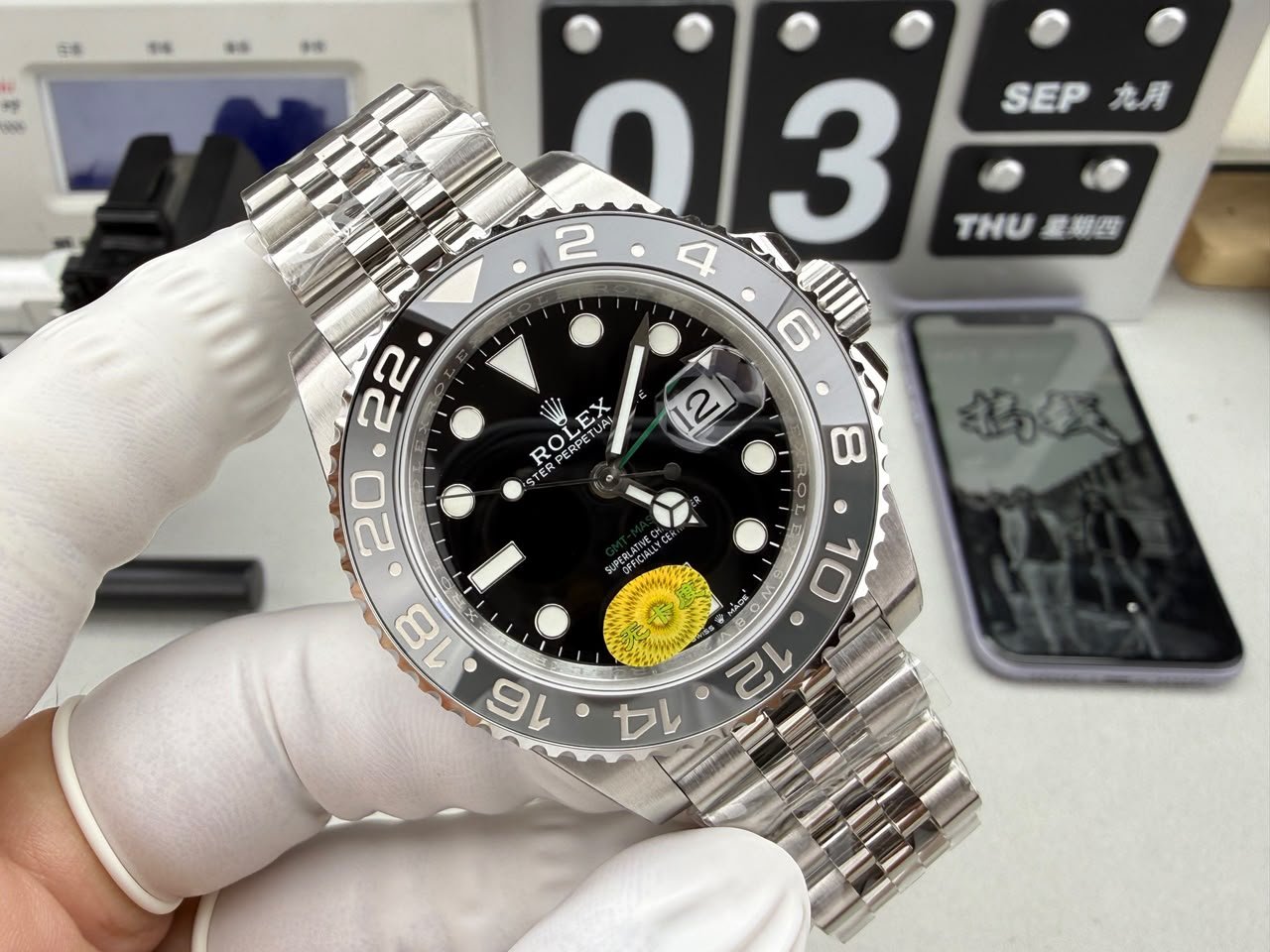
The VS Factory Rolex GMT-Master II is a GMT configuration built around a Dandong 3285-style automatic GMT movement, V3 ceramic bezel and a stated case thickness of approximately 12.1mm.
An important distinction within the VS GMT range is that the 3285-style movement is available in two configurations: regulated and free-sprung.
Beyond the movement, this version also places emphasis on the crystal, date magnifier, bezel-tooth geometry, crown assembly and hand finishing.
These characteristics make the VS GMT particularly suitable for technical documentation because most of the important differences can be photographed, measured or function-tested.
Dandong 3285-Style GMT Movement
The supplied VS configuration uses a Dandong 3285-style integrated automatic GMT movement.
This should be distinguished from both an original Rolex Calibre 3285 and movements that reproduce only the visible appearance of the 3285 architecture.
For database classification:
VS Factory → GMT-Master II → Dandong 3285-Style → Integrated GMT
is the more useful structure.
Two 3285 Movement Versions
One of the most important pieces of information in this release is that VS offers two movement configurations:
Version Configuration
Version 1 Regulated 3285-Style
Version 2 Free-Sprung 3285-Style
These should not be merged into a single movement entry in your database.
Instead, every future VS GMT QC article should state clearly which movement version was tested.
For example:
Movement: Dandong 3285-Style Free-Sprung
or
Movement: Dandong 3285-Style Regulated
This will become particularly valuable once you accumulate enough QC data to compare Timegrapher results and long-term performance between the two versions.
Free-Sprung vs Regulated Version
The difference between the two versions concerns the regulating architecture around the balance assembly.
A conventional regulated configuration uses a regulator mechanism to adjust the effective hairspring length.
A free-sprung architecture instead regulates the balance through its balance assembly without relying on the same conventional regulator arrangement.
This distinction should be documented through actual movement photographs rather than inferred from the product name alone.
For your database, Free-Sprung should therefore become a searchable movement attribute.
GMT Function
The 3285-style movement provides the functionality that makes this platform different from a conventional three-hand movement.
QC should test the complete operating sequence:
Manual Winding → Crown Positions → Local Hour Adjustment → GMT Hand → Date Change → Time Setting → Automatic Winding
The supplied information specifically describes a reverse-direction quick date adjustment behavior.
Rather than mentioning this only as a specification, a short QC video should document the actual crown direction and calendar response.
Local-Hour and Date Interaction
GMT testing should not stop after confirming that the fourth hand moves.
The interaction between the local hour hand and calendar is also important.
During QC, test:
Local Hour Forward → Date Change
and
Local Hour Backward → Previous Date
where supported by the actual movement configuration.
This provides much stronger technical evidence than simply labeling the movement “3285.”
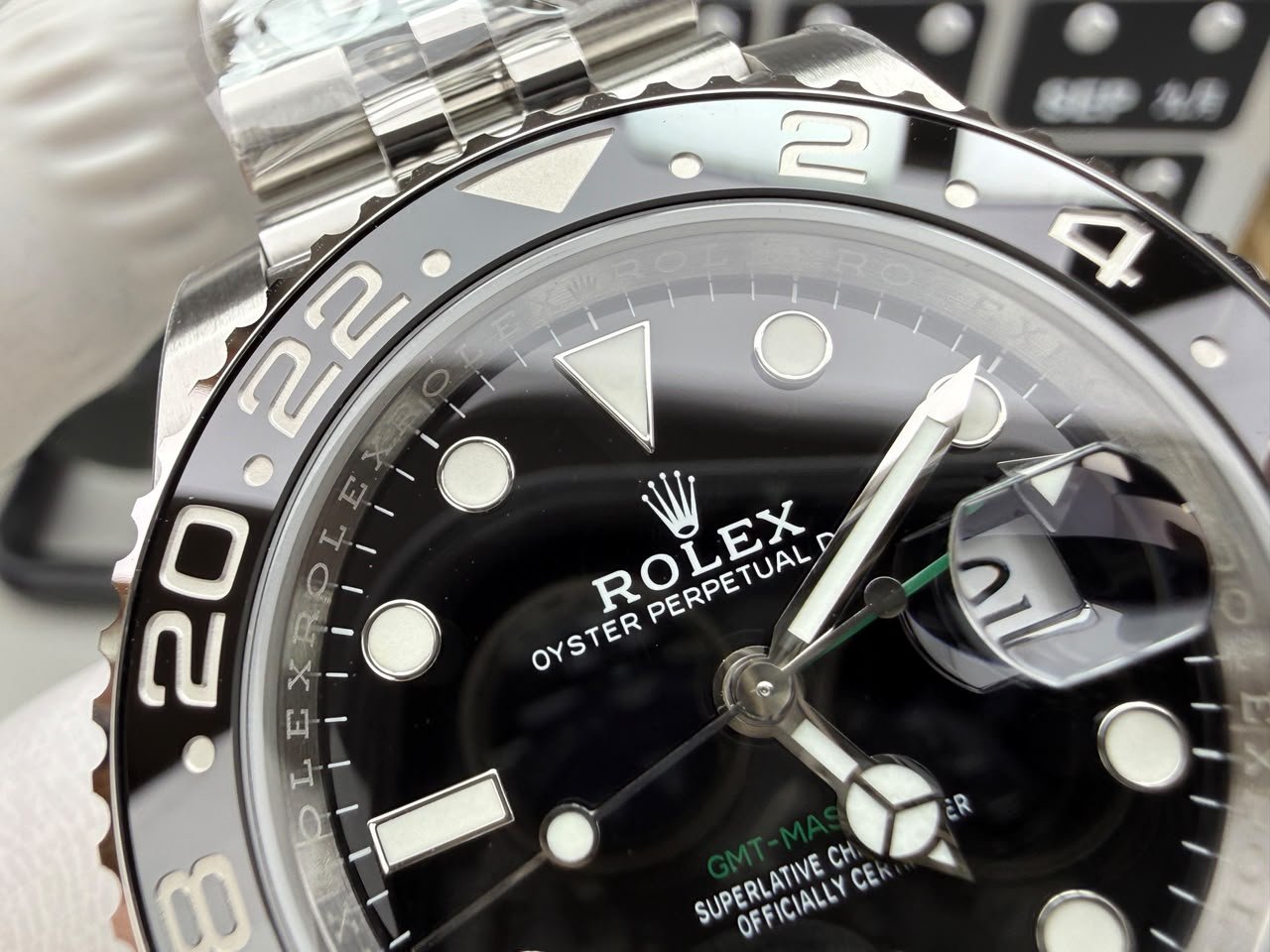
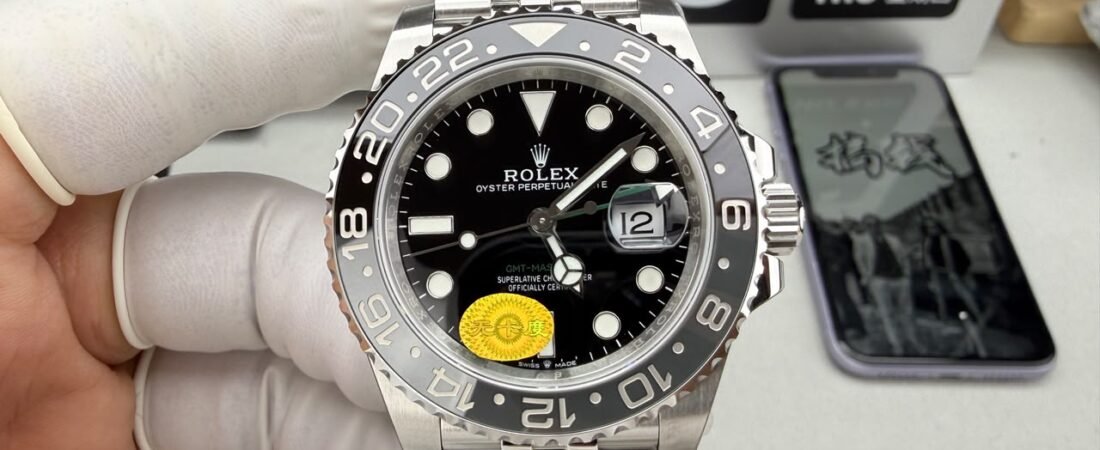
V3 Ceramic Bezel
The supplied VS configuration uses a V3 ceramic GMT bezel.
For technical documentation, the V3 designation should be retained because it allows future production generations to be separated.
The bezel can be evaluated through:
- Ceramic color
- Color transition on two-tone versions
- Engraving
- Numeral filling
- Bezel teeth
- Rotation
- Alignment
- Surface finishing
Macro photography is particularly valuable here.
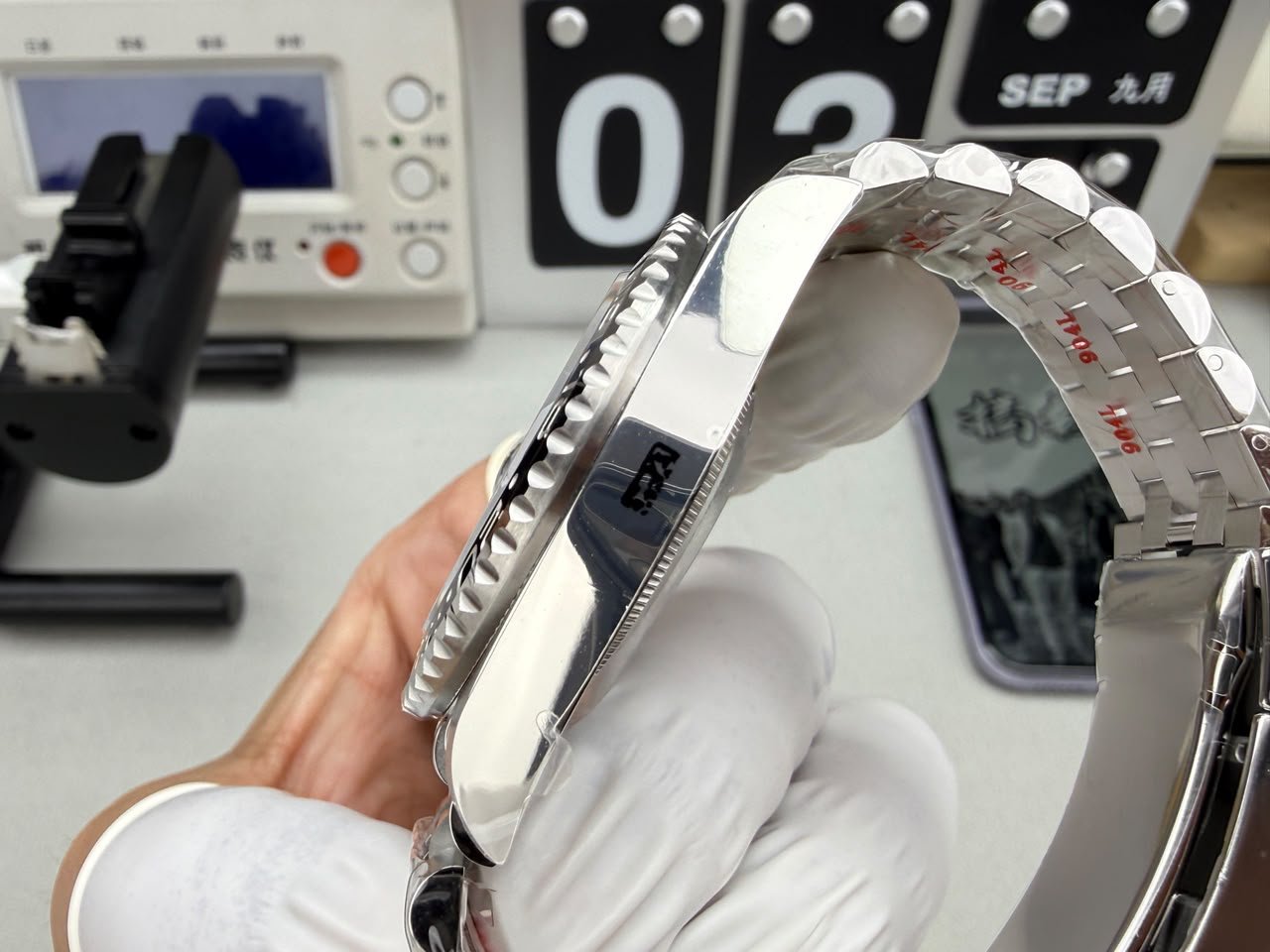
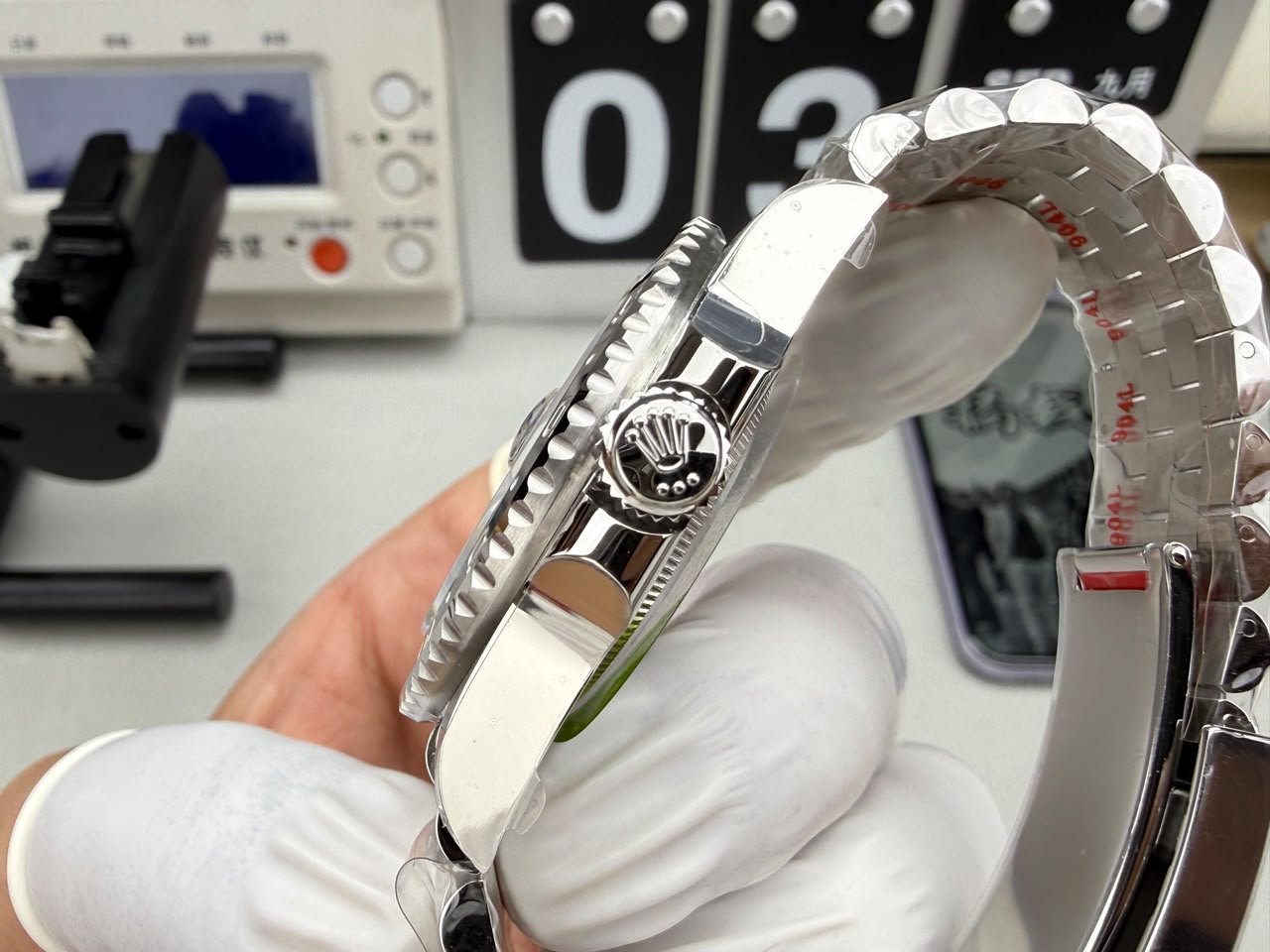
Bezel-Tooth Geometry
The supplied version information specifically highlights the size and geometry of the bezel teeth.
Instead of describing them as automatically identical to a reference watch, the technical database should document their actual geometry.
Useful photographs include:
Front View → 45° View → Side Profile → Macro
The side-profile photograph is especially useful because it shows the relationship between the bezel teeth and the middle case.
Crystal
The supplied VS configuration also highlights the optical clarity of the crystal.
Rather than describing it as having “no reflection,” which would be unrealistic, the crystal can be evaluated through controlled photography.
Useful tests include:
Straight View → 45° View → Strong Side Light
This allows the reader to see the degree of reflection and dial visibility under different conditions.
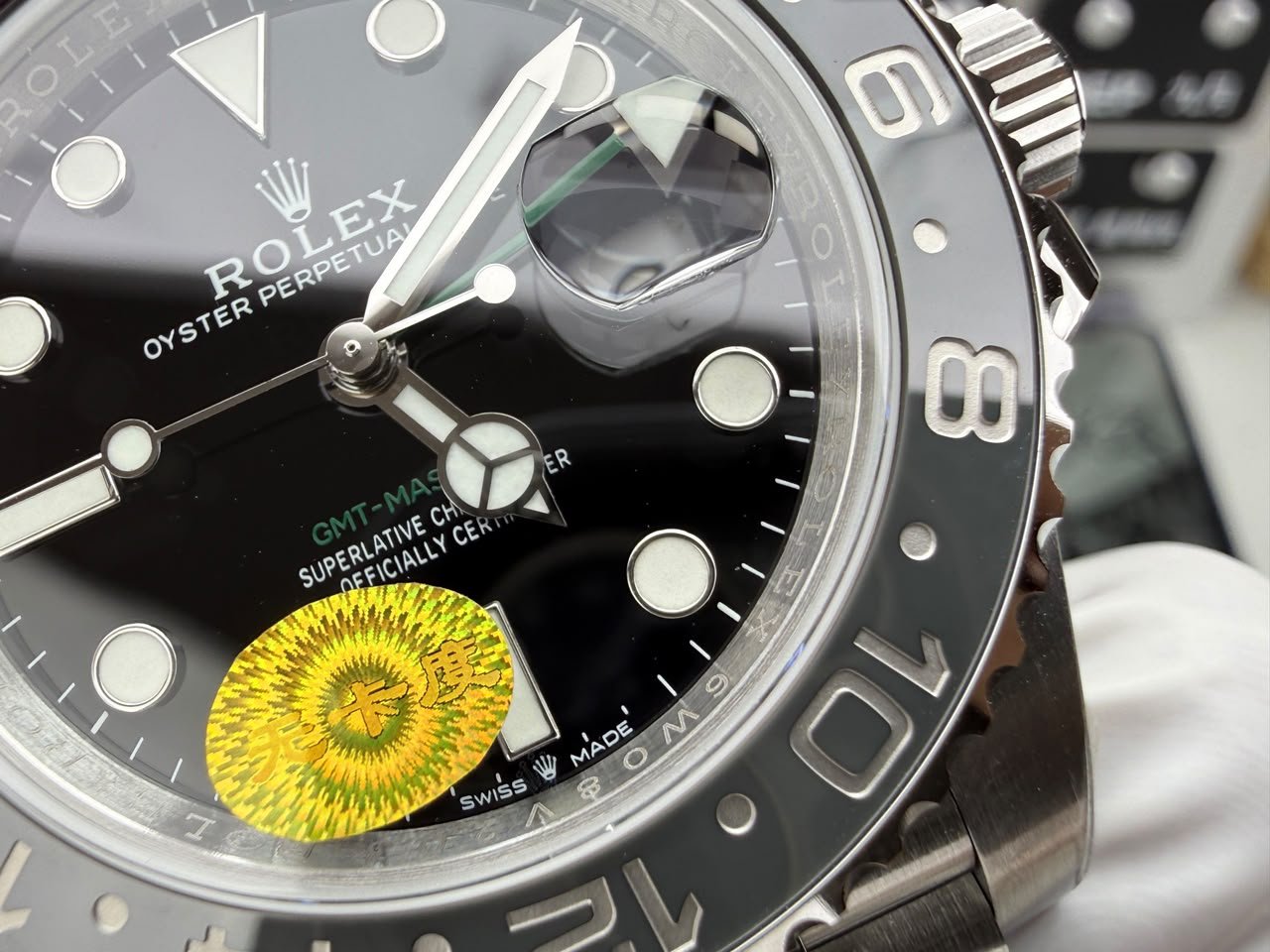
Date Magnifier
The date magnifier is another important area because magnification, positioning and crystal clarity all affect the appearance of the date.
Useful QC inspection points include:
- Magnification
- Lens position
- Date centering
- Optical distortion
- Edge definition
- Reflection
Several dates should be photographed.
A single numeral is not sufficient for evaluating the complete date display.
12.1mm Stated Thickness
The supplied specification lists the VS GMT case thickness at approximately:
12.1mm
This is worth preserving because thickness is an objective measurement that can be verified during QC.
However, instead of simply repeating the specification, every individual QC article should measure the actual watch using a digital caliper.
For example:
Supplied Specification: 12.1mm
QC Measurement: 12.2mm
That distinction between claimed data and measured data is exactly what can make your website database more useful over time.
Crown and Case Clearance
The supplied information identifies a small clearance between the screw-down crown and case when the crown is fully secured.
The stated figure is approximately:
0.25mm
The proposed purpose is to reduce direct contact between the crown assembly and case surface.
Because this is a very small measurement, it should not be described as confirmed across every watch.
Instead, individual QC can document:
Crown Fully Secured → Side Macro Photograph → Actual Clearance
This is a good example of a small technical detail that most general product pages do not record.
Hand Geometry
The supplied version information also highlights the shape of the minute and seconds hands.
These details are particularly suitable for macro photography.
Useful inspection areas include:
- Minute-hand tip
- Seconds-hand profile
- Hand surface
- Hand edges
- Central pinion
- Hand alignment
Instead of using subjective descriptions such as “sharper” or “better,” photographs allow the actual geometry to be recorded.
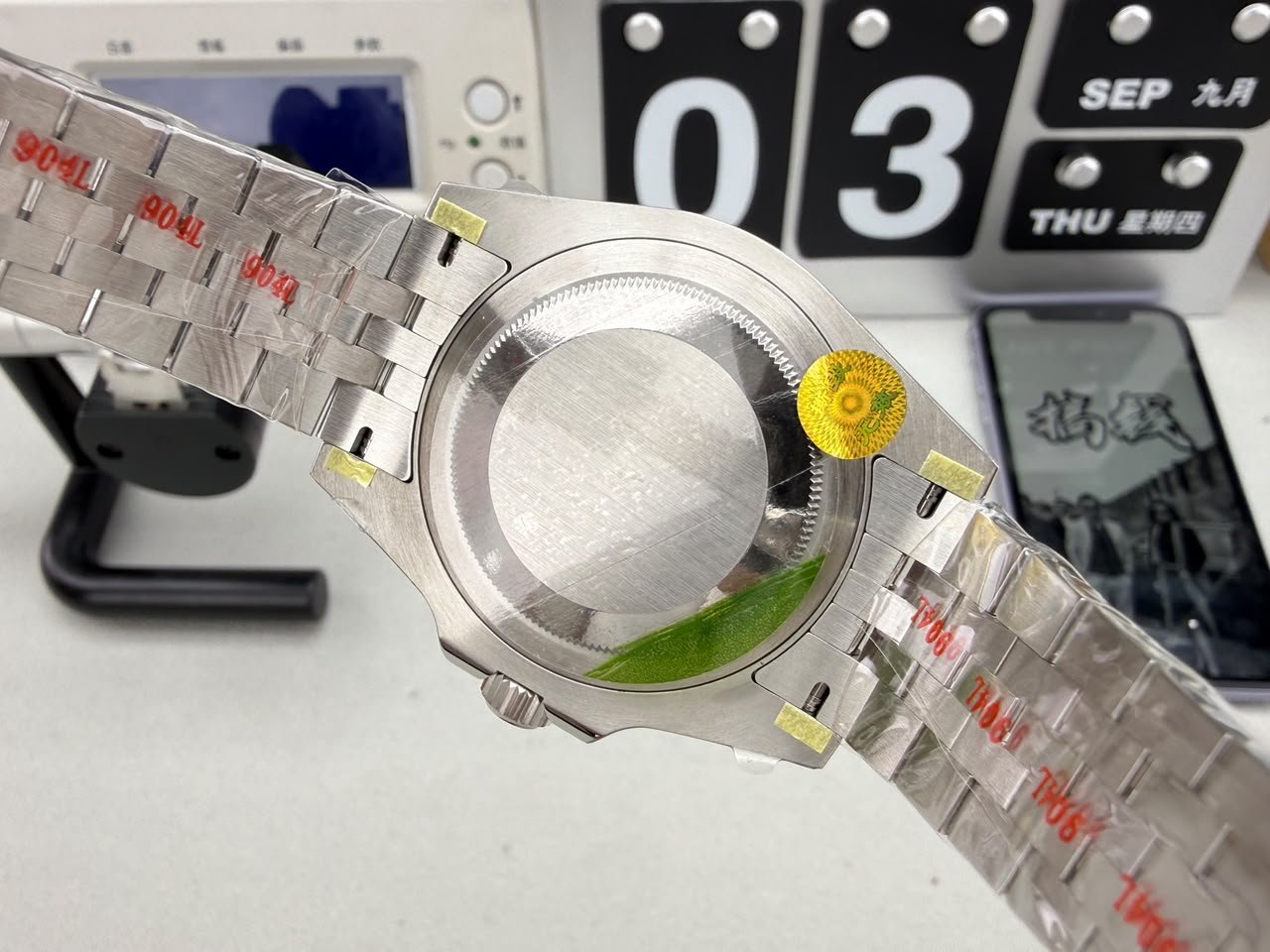
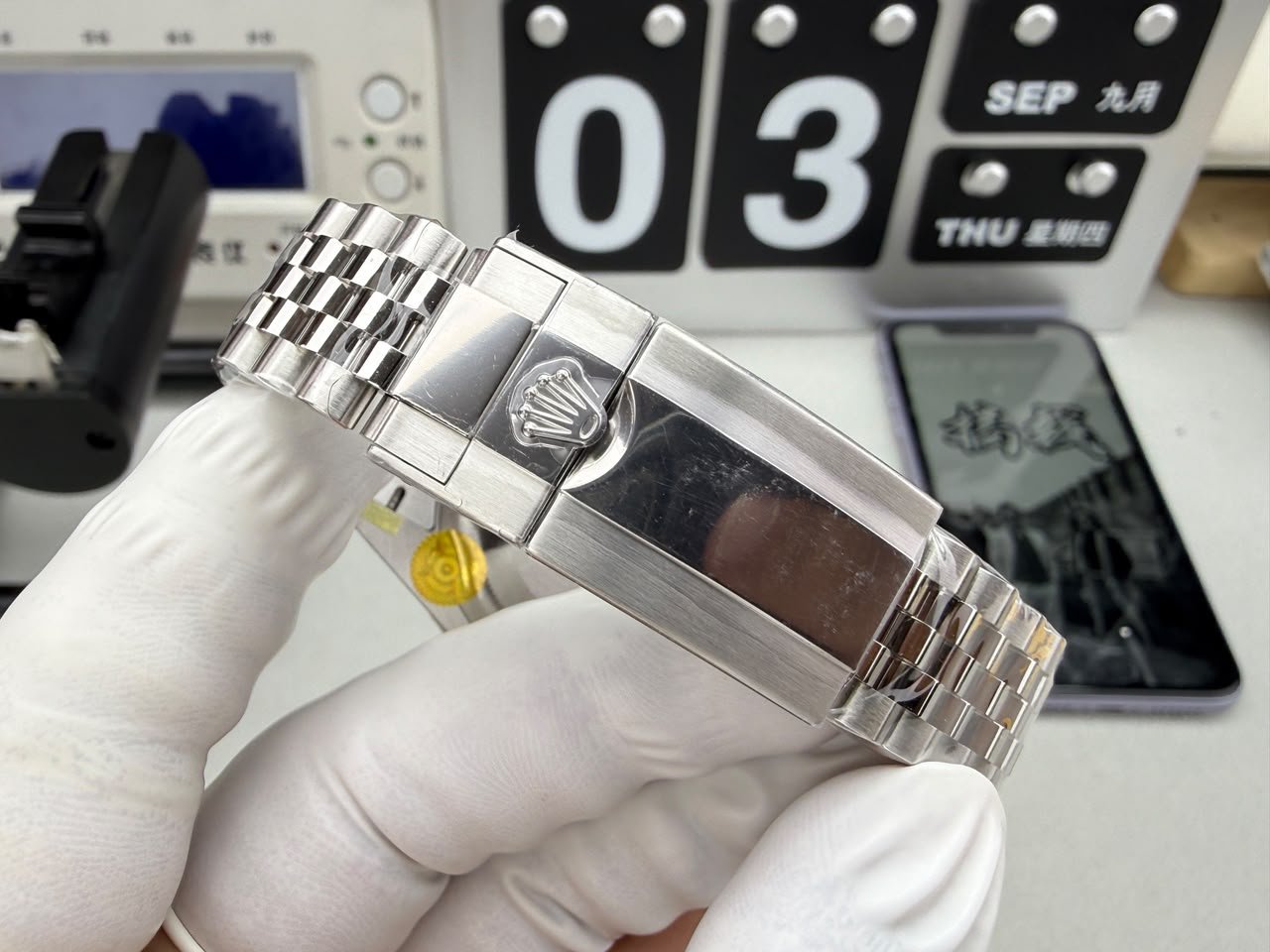
904L Steel Case and Bracelet
Where the specific configuration uses 904L stainless-steel construction, the case and bracelet can be documented separately from the movement and bezel.
Useful areas include:
Case → Lugs → End Links → Bracelet → Clasp
Individual QC should also record:
Width → Thickness → Complete Weight
This makes later comparisons between different GMT configurations considerably easier.
Timegrapher Testing
Both 3285 movement versions should undergo the same QC procedure.
Record:
Daily Rate → Amplitude → Beat Error → Beat Rate
This is especially important now that VS offers both regulated and free-sprung configurations.
Once you have enough actual watches tested, your website can eventually build a real dataset:
VS 3285 Regulated QC Results
versus
VS 3285 Free-Sprung QC Results
That would have much more informational value than simply stating which movement is “better.”
Power Reserve Testing
Power reserve should also be treated as measured data whenever possible.
The useful procedure is:
Fully Wind Movement → Record Start Time → Allow Watch to Run → Record Stop Time
Then publish:
Measured Power Reserve: XX Hours
rather than automatically assigning the same running time to every 3285 movement.
Super Clone Watch and VS GMT Technical Data
The term super clone watch is commonly used in the replica-watch market, but it does not represent a standardized technical specification.
For the VS Factory GMT-Master II, more useful information comes from identifying the actual configuration: Dandong 3285-style GMT movement, regulated or free-sprung balance configuration, V3 ceramic bezel, stated 12.1mm thickness, crystal, date magnifier and individual QC measurements.
For actual movement and dimensional measurements from an individual watch, see our VS Factory Rolex GMT-Master II QC Test.
Technical Specifications
Specification Details
Factory VS Factory
Collection Rolex GMT-Master II
Movement Dandong 3285-Style GMT
Movement Architecture Integrated Automatic GMT
Movement Options Regulated / Free-Sprung
Bezel Version V3
Bezel Ceramic GMT Bezel
Crystal High-Clarity Configuration
Date Magnifier Yes
Stated Thickness Approx. 12.1mm
Crown Clearance Approx. 0.25mm, per supplied specification
GMT Function Yes
Date Yes
Actual Weight Record During QC
Actual Power Reserve Recommended to Measure
FAQ
- What movement does the VS Factory GMT-Master II use?
The supplied configuration uses a Dandong 3285-style integrated automatic GMT movement.
- Are there different VS 3285 movement versions?
Yes. The supplied information identifies regulated and free-sprung versions. The exact movement configuration should therefore be stated in every individual QC record.
- What is the difference between regulated and free-sprung 3285 versions?
They use different approaches to balance regulation. For technical documentation, movement photographs and actual QC data should be used to identify and compare the two configurations.
- How thick is the VS Factory GMT-Master II?
The supplied specification states approximately 12.1mm. The individual watch should still be measured during QC because production tolerances can result in small differences.
- What is the V3 bezel?
V3 identifies the supplied generation of the VS ceramic GMT bezel. Useful inspection areas include ceramic color, two-tone transition where applicable, engraving, numeral filling, bezel teeth, rotation and alignment.
- What should be tested during QC?
Useful checks include daily rate, amplitude, beat error, beat rate, actual thickness, weight, GMT operation, local-hour adjustment, date operation, crown positions, bezel rotation, bezel alignment, crystal clarity, date magnifier and power reserve.